
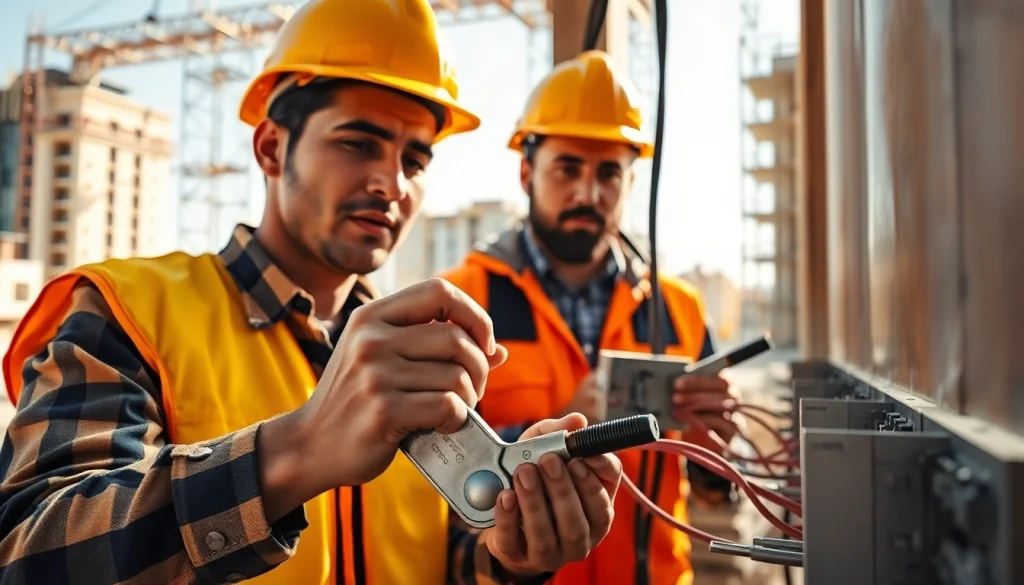
Understanding the Electrician Apprenticeship
What is an Electrician Apprenticeship?
An electrician apprenticeship is a formal training program designed to prepare individuals for a career in the electrical trade. It combines on-the-job training with classroom instruction, equipping apprentices with the knowledge and skills needed to become licensed electricians. This pathway not only fosters practical skills but also encourages a deep understanding of electrical safety protocols, wiring systems, and the regulations that govern the industry.
Benefits of Pursuing an Electrician Apprenticeship
Embarking on an electrician apprenticeship offers numerous advantages for those eager to enter the field:
- Hands-On Experience: Apprentices gain valuable practical skills by working alongside experienced electricians in real-world scenarios.
- Education and Training: Many programs include formal education components, enriching the apprentice’s understanding of electrical theory and safety measures.
- Earn While You Learn: Apprentices often receive a competitive wage that increases as they progress through their training.
- Job Security: The demand for skilled electricians is consistently high, leading to robust job prospects upon completion of the apprenticeship.
- Career Advancement: Successful completion can open doors to various career opportunities, including specialized certifications and higher-paying positions.
Requirements for Starting an Electrician Apprenticeship
Before applying for an electrician apprenticeship, it is important to understand the typical requirements, which may vary depending on the program and location:
- Age: Most programs require apprentices to be at least 18 years old.
- Education: A high school diploma or GED is often required, along with basic coursework in math and science.
- Physical Requirements: Electricians need to be physically fit, as the job can involve manual labor and working in various environments.
- Background Check: Some employers may conduct background checks and drug testing as part of the application process.
- Apprenticeship Sponsorship: Many programs require applicants to find a sponsor, such as a contractor or union, willing to hire and support their training.
The Application Process
How to Apply for an Electrician Apprenticeship
Applying for an electrician apprenticeship typically follows a structured process:
- Research Programs: Investigate various apprenticeship programs, including those offered by unions, associations, and private contractors.
- Prepare Your Resume: Craft a resume highlighting any relevant skills, education, and experience related to the electrical trade.
- Complete an Application: Fill out the application forms accurately, paying attention to detail and following specific instructions.
- Gather Supporting Documents: Be ready to submit documents such as transcripts, proof of age, and letters of recommendation.
- Attend Interviews: Participate in any required interviews, showcasing your commitment and enthusiasm for the trade.
Common Application Mistakes to Avoid
Many applicants fall into common pitfalls during the application process. Here’s how to sidestep them:
- Neglecting Research: Failing to research the specific programs can result in applying to unsuitable options.
- Incomplete Applications: Skipping required sections or overlooking document submissions can lead to disqualification.
- Poor Presentation: Submitting a poorly formatted resume or having inaccurate information can undermine your application.
- Overlooking Deadlines: Missing application deadlines can hinder your chances, so stay organized and set reminders.
- Not Practicing for Interviews: Failure to prepare for interviews can limit your ability to effectively communicate your passion and skills.
Preparing for the Interview Process
The interview is a crucial step in securing an electrician apprenticeship. Here are some strategies to ensure success:
- Understand the Role: Be familiar with the duties, required skills, and expected work conditions of an electrician.
- Practice Common Questions: Anticipate questions about why you want to become an electrician, your understanding of electrical safety, and scenarios you may face on the job.
- Dress Professionally: Presenting yourself well can make a positive first impression on interviewers.
- Highlight Relevant Experience: Share any past experiences related to the trade, even if they are informal or volunteer opportunities.
- Ask Questions: Show your interest and engagement by having thoughtful questions ready for your interviewer.
Training and Education Components
Structure of Electrician Apprenticeship Programs
Electrician apprenticeship programs typically consist of a structured combination of classroom instruction and on-the-job training:
- Length: Most apprenticeships last between 4 to 5 years, depending on the program and local regulations.
- Hours of Training: Programs commonly require around 8000 hours of on-the-job training alongside 500-1000 hours of classroom instruction.
- Curriculum: Education covers electrical theory, National Electrical Code (NEC), safety regulations, and practical applications.
Classroom vs. On-the-Job Training
Understanding the balance between classroom and on-the-job training is key:
- Classroom Training: This component focuses on theoretical knowledge, which is essential for grasping electrical principles and safety practices. It often includes courses in electrical circuits, motor controls, and algebra.
- On-the-Job Training: Practical experience lets apprentices apply classroom knowledge in real-world situations. Working under the guidance of experienced electricians helps reinforce learning and develops hands-on skills.
Safety Training and Best Practices
Safety is paramount in the electrical field, and training emphasizes best practices:
- Understanding Risks: Apprentices learn about potential hazards, such as electrical shock, falls, and equipment-related injuries.
- Proper Use of Gear: Training covers personal protective equipment (PPE) usage, including gloves, helmets, and insulated tools.
- Emergency Protocols: Safety training includes how to respond in emergencies, including electrical fires and injuries.
Career Advancement Opportunities
Advancing Your Career After Apprenticeship
Completing an electrician apprenticeship is just the beginning; several avenues for advancement exist:
- Journeyman Electrician: After finishing an apprenticeship and passing the licensure exam, one can work independently as a journeyman electrician.
- Master Electrician: With additional experience and education, electricians can advance to become master electricians, permitting them to oversee projects and train new electricians.
- Specialized Roles: Electricians may choose to specialize in areas such as solar energy, telecommunications, or high-voltage systems, which often come with higher pay rates.
Getting Licensed as an Electrician
Becoming licensed is an essential step to practice legally as an electrician. Here’s what it typically involves:
- Examinations: Candidates usually must pass a comprehensive exam covering electrical knowledge, local codes, and the NEC.
- Documentation: Proof of completing an apprenticeship and any additional training may be required.
- Continuing Education: Many states mandate continuing education classes to maintain licensure, keeping electricians updated on changing codes and technologies.
Specialty Certifications in the Electrical Field
Electricians can enhance their qualifications and earning potential through specialty certifications:
- Solar Installer: Specializes in installing solar energy systems, an increasingly lucrative and eco-friendly field.
- Fire Alarm Technician: Focuses on installing and maintaining fire alarm systems, which require specialized knowledge and training.
- Low Voltage Licenses: Cover systems like security alarms and telecommunications, catering to a defined market.
Frequently Asked Questions
What is the typical duration of an electrician apprenticeship?
The typical duration of an electrician apprenticeship is usually 4 to 5 years, combining both classroom instruction and hands-on training.
Can I work while enrolled in an electrician apprenticeship?
Yes, many apprentices work part-time or hold a job related to their training while enrolled, providing practical experience.
Are electrician apprenticeships paid?
Yes, apprentices earn wages that increase progressively as they complete training and gain more skills.
Do I need prior experience to start an electrician apprenticeship?
No prior experience is usually required, but basic knowledge of electrical systems and safety can be beneficial.
What is the difference between an electrician apprenticeship and a journeyman?
An electric apprenticeship is the initial training phase, while a journeyman is someone who has completed their apprenticeship and is fully licensed to work independently.