
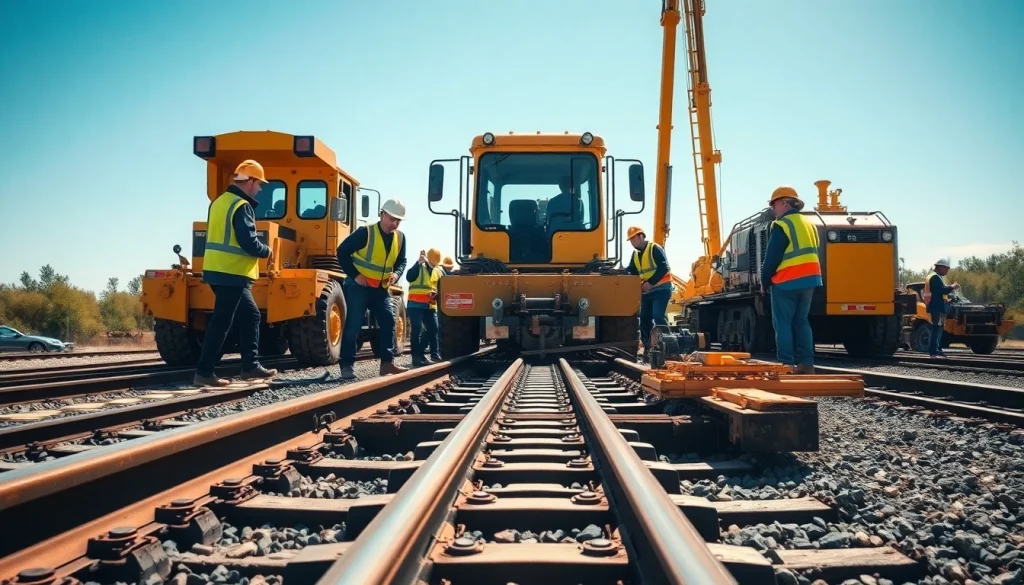
Understanding Derailment Repairs
What are Derailment Repairs?
Derailment repairs are specialized processes initiated when a train has derailed from its track. This complex undertaking involves not just the immediate recovery of the affected train but also an extensive assessment of the infrastructure and rolling stock. The goal is to restore the railway services safely and efficiently. Key operations typically include removing the derailed vehicles, repairing or replacing damaged tracks, and conducting a comprehensive safety review before reintroducing service. Finally, implementing Derailment repairs can also involve significant coordination with emergency services and regulatory bodies.
Common Causes of Rail Derailments
Rail derailments can occur for various reasons, each contributing to the complexity of derailment repairs. Some common causes include:
- Track-related issues: Poorly maintained tracks, misaligned rails, and track obstructions can lead to derailments.
- Equipment failure: Mechanical faults in the train components, such as wheel assemblies or braking systems, can contribute to accidents.
- Weather conditions: Inclement weather, including severe storms, snow, or ice accumulation on tracks, can create hazardous conditions.
- Human error: Train operators may make mistakes in handling, which can lead to derailments.
- Environmental factors: Landslides, flooding, or fallen trees can disrupt rail lines unexpectedly.
Understanding these causes is crucial for implementing effective prevention strategies and repair techniques.
Safety Regulations in Derailment Repairs
Safety is paramount in derailment repairs. Regulatory bodies such as the Federal Railroad Administration (FRA) mandate strict protocols to ensure the safety of workers, passengers, and rail infrastructure. Key safety practices include:
- Conducting Risk Assessments: Comprehensive evaluations to identify potential hazards associated with the repair work.
- Training Personnel: All personnel involved must receive proper training on procedures, equipment, and emergency response.
- Following Standard Operating Procedures (SOPs): Strict adherence to documented procedures ensures consistency and safety during repairs.
Failure to comply with these regulations can lead to accidents, legal ramifications, and extended service outages.
Planning for Derailment Repairs
Assessing the Damage
The first step in planning derailment repairs is a thorough assessment of the damage. This involves a multidisciplinary team, including structural engineers, railroad safety inspectors, and maintenance personnel, who must evaluate:
- The extent of track damage.
- The condition of the derailed train and its cargo.
- The impact on surrounding infrastructure.
Utilizing advanced diagnostic tools such as track geometry cars and ultrasonic testing can provide invaluable data to inform repair strategies.
Creating a Repair Timeline
Developing a repair timeline is crucial for minimizing service interruptions and managing resource allocation. Key factors influencing the timeline include:
- The severity of the derailment.
- Availability of personnel and materials.
- Weather conditions that could affect repair operations.
Stakeholder engagement is also essential; informing local authorities and affected communities can mitigate public concerns and maintain transparency throughout the process.
Coordinating with Local Authorities
Effective communication with local authorities is indispensable during derailment repairs, as they may need to manage road closures or divert traffic. Coordination efforts may involve:
- Establishing dedicated communication lines to provide updates.
- Collaborating with emergency services to effectively manage any secondary incidents that may arise.
- Ensuring that environmental regulations are adhered to, particularly when hazardous materials are involved.
Such collaborations help ensure the repair operations proceed smoothly and without unforeseen disruptions.
Executing Efficient Derailment Repairs
Essential Tools and Equipment for Repairs
Repairing a derailment necessitates a range of specialized tools and equipment, which include:
- Heavy machinery: Cranes and excavators are often required for lifting derailed vehicles and clearing debris.
- Track repair tools: Rail pullers, welding machines, and rail aligners are critical for restoring tracks.
- Safety gear: Protective clothing, helmets, gloves, and eye protection must be standard issue for all personnel involved.
Investing in high-quality equipment not only expedites repairs but also enhances safety during operations.
Best Practices During Repair Operations
During derailment repairs, implementing best practices can significantly improve outcomes. Some key strategies include:
- Establishing a command center: Having a central point for coordination ensures effective communication and order.
- Implementing safety checks: Regularly inspecting equipment and work sites will minimize the risk of accidents.
- Promoting teamwork: Cross-disciplinary teams should work closely to troubleshoot issues as they arise during repairs.
Documentation and transparency throughout this process are also vital for compliance and accountability.
Training Personnel for Safe Practices
Investing in rigorous training programs for all personnel involved in derailment repairs is non-negotiable. Essential components of such training should include:
- Hands-on experience with equipment.
- Emergency response drills.
- Knowledge of regulatory compliance and safety standards.
A well-trained workforce not only enhances safety but also promotes efficiency, resulting in faster and more effective repairs.
Post-Repair Procedures and Evaluations
Inspection Protocols Post-Repairs
Upon completion of repairs, rigorous inspection protocols must be followed to ensure all affected areas are safe for reoperation. Key steps include:
- Systematic track inspections using advanced technology.
- Operational testing of rolling stock to ensure all systems are functional.
- Consulting regulatory standards to validate that all repairs comply with safety requirements.
Conducting these inspections protects public safety and mitigates liability concerns.
Documentation and Reporting Requirements
Comprehensive documentation is vital in the aftermath of derailment repairs. Key documentation requirements include:
- Incident report capturing the event and response actions.
- Maintenance records detailing repairs performed and parts replaced.
- Safety compliance logs demonstrating adherence to all relevant regulations.
This thorough documentation serves both as a component of legal protection and a learning tool for future incidents.
Continuous Improvement in Repair Techniques
Once repairs are complete, organizations should utilize the incident as a learning experience to refine their processes continuously. Adopting a mindset of continuous improvement might include:
- Analyzing incident reports to identify weaknesses and strengths in the response.
- Encouraging feedback from personnel involved in repairs to enhance training programs.
- Investing in new technologies that can improve future repair efficiency and safety.
Such continuous endeavors not only improve safety but also enhance service reliability over time.
FAQs About Derailment Repairs
What are the key steps in derailment repairs?
The key steps in derailment repairs include damage assessment, planning for repairs, coordinating with authorities, executing repairs, and post-repair inspections.
How do I ensure safety during derailment repairs?
Ensuring safety involves conducting thorough risk assessments, training personnel, adhering to regulations, and maintaining clear communication throughout the process.
What equipment is necessary for derailment repairs?
Essential equipment includes cranes, excavators, track repair tools, and personal protective equipment for personnel involved in the repair operations.
How can communication improve repair efforts?
Effective communication among team members and with external authorities fosters better coordination, minimizes misunderstandings, and enhances the overall efficiency of repair operations.
What are typical timelines for derailment repairs?
Timelines for derailment repairs can vary greatly based on damage severity, available resources, and environmental conditions; however, advanced planning can mitigate delays.