Understanding Custom Metal Fabrication
Definition of Custom Metal Fabrication
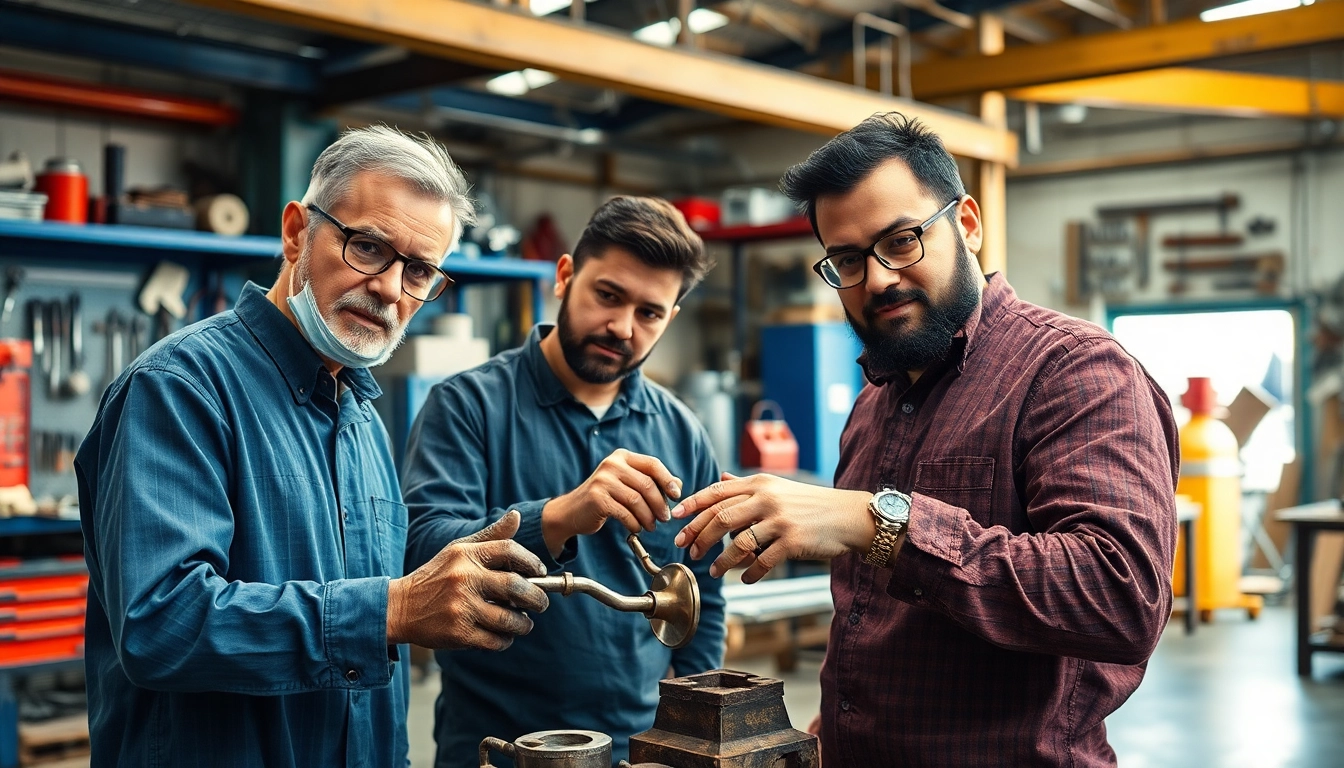
Custom metal fabrication encompasses the creation and modification of metal products tailored to specific requirements and design specifications. This process includes a variety of techniques such as cutting, bending, welding, and assembling metals into unique designs that serve a multitude of applications. Unlike mass-produced metal components, custom metal fabrication prioritizes individual client needs, offering tailored solutions that can greatly enhance functionality and aesthetics.
History and Evolution of Metal Fabrication
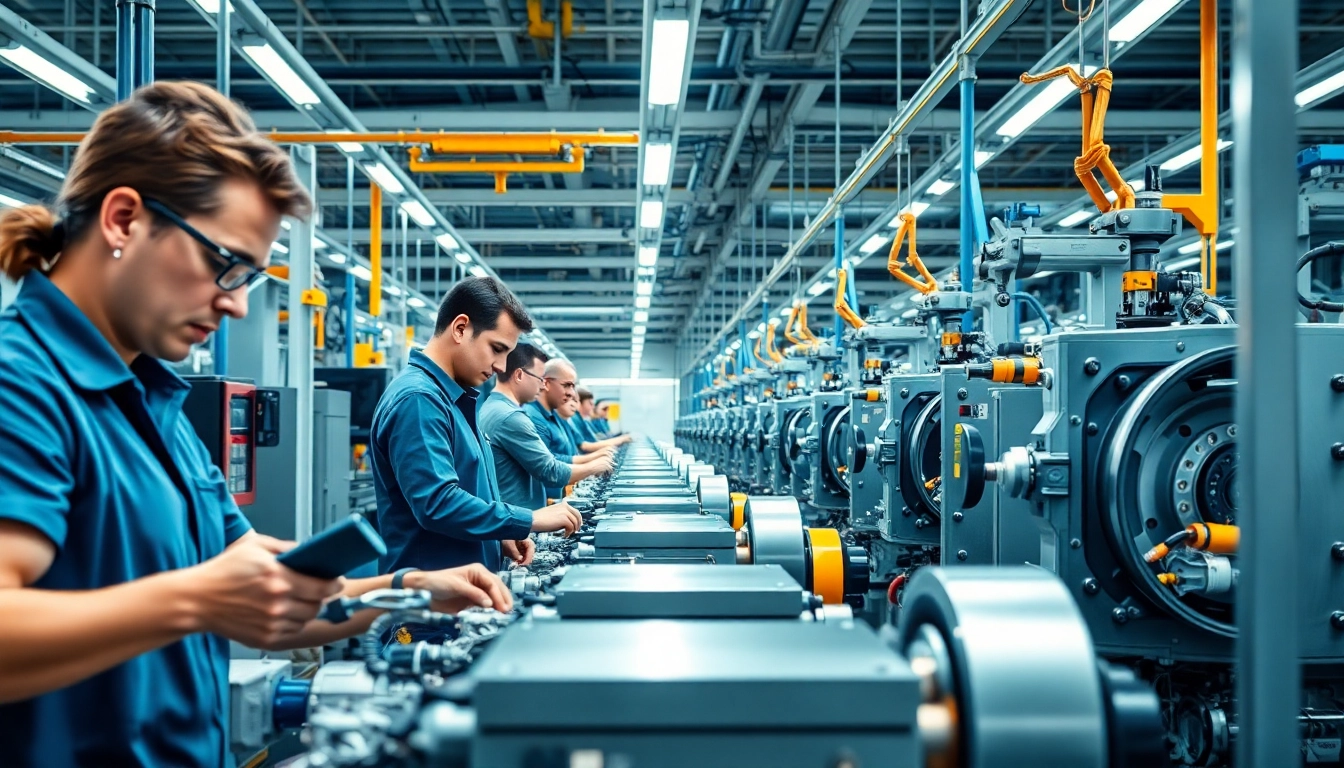
The art and science of metal fabrication date back to ancient times when blacksmiths forged tools and weapons. Over the centuries, the industry has evolved significantly with advancements in technology and materials. The Industrial Revolution marked a turning point, ushering in methods like stamping and casting, which increased efficiency and output. By the late 20th century, CNC (Computer Numerical Control) machining emerged, providing precise control over fabrication processes. Today, custom metal fabrication combines advanced machinery, innovative practices, and sustainability, thriving in various sectors and adapting to modern needs.
Importance of Custom Metal Solutions
Custom metal solutions are essential for industries requiring high precision and tailored designs. They allow businesses to differentiate their products in a competitive market, optimize performance, and minimize waste. With custom metal fabrication, companies can create specific parts that meet exact dimensions, enhancing the overall quality of assemblies. This adaptability also supports innovative designs, enabling industries to not only meet current demands but also future-proof their products against changing technologies and consumer preferences.
Processes Involved in Custom Metal Fabrication
Common Techniques Used
Several techniques are commonly employed in custom metal fabrication. These include:
- Cutting: This can be done using various methods, including laser cutting, waterjet cutting, and plasma cutting. Each technique offers distinct benefits in terms of precision and material compatibility.
- Bending: Metal bending involves reshaping materials by applying force, using equipment like press brakes to achieve desired angles and curves.
- Welding: This process fuses metal pieces together, utilizing methods such as MIG, TIG, and arc welding, which differ in technique and application based on the metals involved.
- Assembly: After individual components are finished, they are assembled into the final product. This may involve additional processes such as riveting, bolting, or gluing.
- Finishing: Surface treatments like painting, plating, and polishing enhance aesthetics and protect against corrosion, ensuring the longevity of the fabricated product.
Step-by-Step Overview of Fabrication Process
The fabrication process typically follows several stages:
- Design: Initial drawings and specifications are created based on customer needs.
- Material Selection: Appropriate metals are chosen based on durability, weight, cost, and desired properties.
- Cutting: Metal sheets or parts are cut to size using the selected cutting technique.
- Bending and Forming: Components are bent into specific shapes and angles.
- Welding and Assembly: Parts are welded or assembled together following unified standards.
- Finishing: The final product is treated to ensure durability and aesthetic appeal.
- Quality Control: Comprehensive inspections are performed to confirm that the final product meets all standards and specifications.
Material Selection for Optimal Results
Choosing the right material is critical in custom metal fabrication. The selection generally hinges on factors like strength, weight, corrosion resistance, and cost. Common materials used include:
- Steel: Known for its strength and versatility, it is widely utilized in construction and manufacturing.
- Aluminum: Lightweight and corrosion-resistant, aluminum is ideal for applications requiring lower weight and thermal management.
- Stainless Steel: This alloy is praised for its rust resistance, durability, and hygienic properties, making it popular in food processing and medical applications.
- Brass and Copper: Used for their electrical properties and aesthetic value in architectural applications.
Applications of Custom Metal Fabrication
Industries Leveraging Custom Fabrication
Custom metal fabrication serves a plethora of industries, including:
- Aerospace: Requires precise components that must meet stringent standards.
- Automotive: Custom parts enhance performance and aesthetics.
- Construction: Customized metal structures play a critical role in building frameworks.
- Medical Devices: Tailored solutions ensure instruments meet specific functionalities.
- Art and Sculpture: Enables artists to realize their unique creative visions in metal form.
Real-World Applications and Case Studies
Numerous real-world applications showcase the versatility of custom metal fabrication:
- Building Structures: Custom metal railing systems and cladding provide both safety and design appeal in modern buildings.
- Automotive Components: Fabricated exhaust systems enhance engine performance while offering aesthetic upgrades.
- Custom Furniture: Metal tables and chair designs tailored to specific styles resonate well within contemporary interior spaces.
- Machine Parts: Precision parts for machinery ensure operational efficiency and reduce downtime in industrial settings.
Advantages of Custom Fabrication in Various Sectors
The benefits of custom fabrication extend across sectors, including:
- Tailored Solutions: Custom fabrication allows businesses to create parts that fit exactly into their unique applications.
- Improved Functionality: Designed to meet specific needs, custom components can enhance product performance significantly.
- Cost-Efficiency: While initially more costly than mass production, the long-term durability and fit of custom parts can lead to greater savings.
- Increased Flexibility: The ability to quickly adapt designs for changing market demands is crucial for maintaining competitive advantage.
Challenges and Solutions in Custom Metal Fabrication
Common Challenges Faced in the Industry
The custom metal fabrication industry is rife with challenges, including:
- Complex Designs: Unconventional shapes can be difficult and time-consuming to fabricate.
- Material Constraints: Some materials are not suited for specific fabrication techniques.
- Cost Management: High-quality custom solutions may initially appear expensive compared to mass-produced alternatives.
- Quality Assurance: Ensuring that each fabricated piece meets the desired standards can be resource-intensive.
Best Practices to Overcome These Challenges
To navigate these challenges effectively, organizations can employ several strategies:
- Prototyping: Developing prototypes can help identify potential issues with complex designs early in the production process.
- Material Testing: Thorough testing of different materials can lead to better selections suited for the fabrication technique used.
- Cost Analysis: Implementing detailed cost-benefit analyses can clarify long-term savings versus upfront costs.
- Establishing Standards: Developing strict quality control standards will facilitate better consistency across products.
Future Trends and Innovations in Metal Fabrication
The future of custom metal fabrication looks promising with trends focused on sustainability and automation. Innovations include:
- 3D Printing: Utilizing additive manufacturing can reduce material waste and produce complex parts quickly.
- Smart Manufacturing: IoT devices enable real-time monitoring and optimization of the fabrication process.
- Sustainable Materials: Emphasizing the use of recyclable metals and reducing the carbon footprint of manufacturing processes.
- Advanced Robotics: Implementing robotic systems in fabrication can enhance precision and efficiency, handling repetitive tasks.
FAQs on Custom Metal Fabrication
What materials are typically used in custom metal fabrication?
Common materials include steel, aluminum, stainless steel, brass, and copper, selected based on their strength, weight, and corrosion resistance.
How do I choose the right fabrication service?
Consider factors like experience, technology capabilities, quality assurance practices, and client reviews when selecting a fabrication service.
What are the benefits of custom versus mass-produced metal parts?
Custom parts offer tailored fit, enhanced performance, and improved quality. They often reduce material waste, making them efficient for specific applications.
Is custom metal fabrication cost-effective for small projects?
While more expensive initially, custom metal fabrication can lead to long-term savings through enhanced functionality and product lifespan.
How can I ensure quality in my custom metal fabrication project?
Implementing strict quality control measures, regular inspections, and detailed specifications will help ensure the quality of your project.