Understanding the Role of Education in Personal Development
What is Education and Why It Matters
Education is the cornerstone of personal development and societal progress. Defined as the process of transmitting knowledge and fostering skills, education emerges as an essential vehicle for individual growth and community advancement. From early childhood through adulthood, the spectrum of educational experiences shapes character traits, cognitive abilities, and social behaviours that govern our interaction within the world. One might argue that in an age where information is at our fingertips, the essence of education transcends traditional learning bricks, establishing itself as a lifelong journey of discovery.
The modern perception of education encapsulates not just academic knowledge, but also emotional intelligence, critical thinking, and ethical reasoning, making its significance paramount in our increasingly complex lives. This holistic understanding highlights that education nurtures informed and active citizens capable of contributing positively to society. In essence, fostering a culture of continuous Education lays the foundation for a more equitable and prosperous society.
Key Components of Effective Education Systems
To unlock the potential of education, it is vital to understand the key components that underpin effective educational systems. These components include curriculum design, teacher qualifications, student engagement strategies, infrastructure, and assessment methods. A well-structured curriculum aligned with relevant real-world applications ensures that learners acquire not just knowledge, but skills applicable in their personal and professional lives.
Teacher qualifications are critical as they serve as facilitators of knowledge. Skilled educators ignite learner curiosity and build critical thinking skills, creating an environment conducive to inquiry. Moreover, students’ engagement plays a pivotal role; strategies such as project-based learning and collaborative tasks encourage active participation and hands-on experiences that deepen understanding.
Infrastructure, encompassing both physical and digital resources, also contributes significantly. A functional learning environment equipped with the necessary tools fosters comfort and promotes better learning outcomes. Finally, effective assessment methods guide the progression of all educational initiatives, ensuring that learning goals are met and adjusted appropriately to cater to emerging needs.
The Impact of Education on Career Opportunities
The relationship between education and career opportunities is profound and multifaceted. Higher educational attainment correlates strongly with better job prospects, higher earnings, and improved job satisfaction. A skilled workforce strengthens economies, making education not just an individual choice, but a societal obligation.
In a landscape where industries are evolving swiftly, lifelong learning and adaptability have become essential. Continuing education through certificates, workshops, and professional development significantly enhances employability. Many employers prefer candidates with a commitment to personal development, viewing it as a hallmark of proactive individuals willing to embrace change.
As automation and artificial intelligence reshape job markets, education provides individuals with the critical skills needed to navigate these transitions. Instantiate knowledge about technology, communication, and problem-solving fosters resilience, enabling workers to thrive in diverse and dynamic environments.
Innovative Approaches to Education in the Digital Age
Integrating Technology into the Classroom
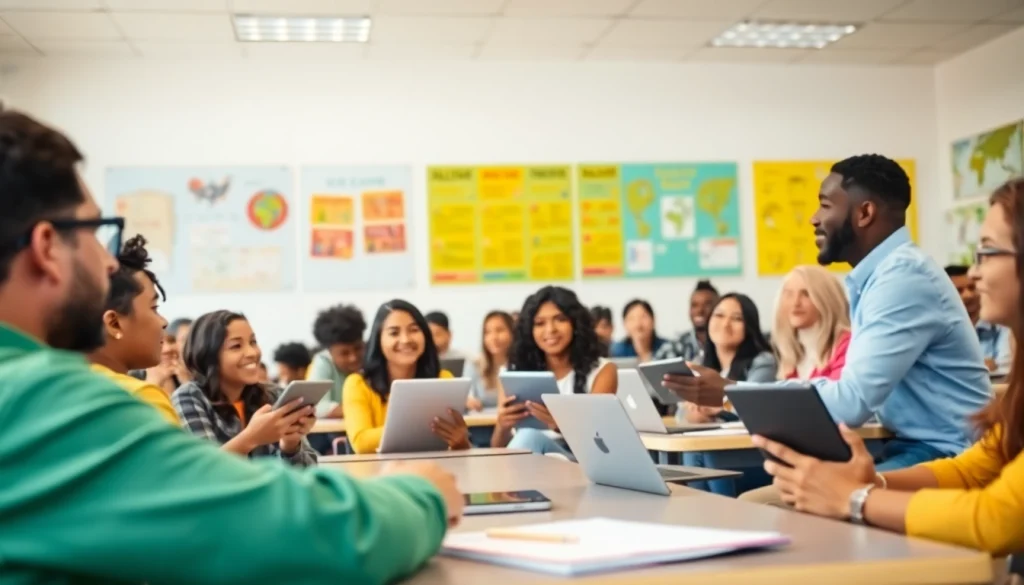
The digital age heralds unprecedented opportunities for innovation in education. Integrating technology into classrooms transforms traditional teaching methods, creating interactive and immersive learning experiences. The use of digital tools, such as online resources, multimedia content, and educational software, captivates students and fosters deeper engagement.
Additionally, technology grants access to a wealth of information, enabling personalized learning experiences tailored to individual student needs. Platforms like Learning Management Systems (LMS) facilitate knowledge management, allowing educators to monitor progress, distribute materials, and communicate with learners fluidly.
However, the integration of technology must be executed judiciously. Educators should maintain a balanced approach – harnessing the benefits of technology while ensuring that it does not supplant crucial face-to-face interactions that nurture social skills and emotional intelligence.
Personalized Learning: Catering to Individual Needs
Personalized learning is a pedagogical approach that recognizes the diverse needs of students. By allowing learners to progress at their own pace and choose learning paths that resonate with them, this strategy enhances understanding and retention. Tailoring educational experiences not only boosts motivation but also addresses the unique challenges that different learners face.
In practice, personalized learning involves continuous assessment and feedback mechanisms, utilizing data-driven insights to guide instruction. By implementing adaptive technologies, educators can customize learning experiences, providing tailored support that results in achievable learning goals for each student.
Blended Learning Models: Combining Traditional and Online Methods
Blended learning models embrace the best of both worlds by combining traditional face-to-face education with online learning. This flexible approach leverages technology to supplement in-person instruction, enhancing accessibility and fostering balanced learning methods that cater to different learning styles.
Blended learning cultivates self-directed learners who take ownership of their education by providing varied content delivery options. Classroom time can be better utilized for collaboration and discussion, while online elements allow students to explore concepts independently. This model also encourages the development of essential skills such as time management and organization, preparing students for future educational pursuits and careers.
Challenges Facing Education Today
Addressing Educational Inequities Among Students
Despite advancements in educational approaches, significant challenges persist, one of which is educational inequity. Disparities based on socioeconomic status, geography, and ethnicity can significantly impact access to quality education. Addressing these inequities demands a multifaceted approach, encompassing policy reforms, resource allocation, and community engagement.
Policymakers must prioritize funding for under-resourced schools, ensuring that all students have access to quality instructional materials, technology, and well-trained educators. Communities play a vital role in promoting educational equity, working collaboratively to develop initiatives that support marginalized groups and promote lifelong learning opportunities.
Impact of External Factors on Education Quality
External factors such as economic instability, health crises, and social dynamics profoundly affect the quality of education. Unforeseen challenges can disrupt learning continuity and hinder the emotional and cognitive development of students. Educators must remain agile and responsive, developing strategies to mitigate the impact of these externalities on learning.
Building a resilient education system capable of withstanding disruptions involves creating contingency plans, investing in technology infrastructure, and emphasizing mental health and wellness support for students and educators alike. It’s crucial to foster a culture of adaptability, where educational institutions can recalibrate swiftly in response to changing circumstances.
Solutions for Overcoming Educational Challenges
Tackling the challenges in education requires innovative thinking and collaboration across stakeholders. One solution is the implementation of community-based educational programs that tailor learning experiences to local contexts and needs. Partnerships with local organizations, businesses, and families can cultivate a supportive environment that promotes shared responsibility for education.
Educators must also focus on professional development, honing their skill sets to stay current with effective teaching practices. Encouraging mentorship and peer collaboration within educational institutions can lead to a culture of continuous improvement benefiting both educators and learners.
Best Practices for Education Professionals
Continual Professional Development Strategies
Ongoing professional development is fundamental for educators aiming to enhance their practice and remain effective in a rapidly changing educational landscape. Engaging in workshops, seminars, and targeted training provides educators with updated pedagogical strategies and insights into emerging technologies.
Participation in professional learning communities fosters collaboration and the exchange of best practices, allowing educators to share resources and successes, overcoming challenges collectively. Additionally, seeking feedback and reflecting on one’s teaching practices contributes to a culture of growth and improvement.
Effective Classroom Management Techniques
Classroom management is an essential component of effective teaching, directly impacting student learning outcomes and engagement levels. Educators must establish clear expectations, routines, and guidelines while fostering a respectful and inclusive classroom climate. Techniques such as positive reinforcement and restorative practices promote mutual respect, encouraging students to take an active role in their learning environment.
Utilizing various instructional strategies, including cooperative learning and differentiated instruction, allows educators to cater to different learning styles and needs, ensuring that all students can thrive academically and socially.
Promoting Inclusivity and Diversity in Education
Creating an inclusive educational environment ensures that every student feels valued, respected, and supported. Educators must actively promote diversity within the curriculum, incorporating perspectives and experiences from different cultures and communities. This approach fosters empathy, intercultural understanding, and prepares students for a diverse globalized world.
Moreover, implementing strategies such as universal design for learning (UDL) can cater to the diverse needs of learners, allowing them to access and participate in the educational experience meaningfully. By prioritizing inclusivity and diversity, educators empower all students to realize their potential.
Measuring the Success of Education Initiatives
Evaluating Student Performance and Outcomes
Measuring the success of educational initiatives requires comprehensive evaluation methods that assess student performance and outcomes. Standardized assessments, formative evaluations, and qualitative feedback provide valuable data on student progress, identifying areas of strength and opportunities for improvement.
Institutions must establish clear performance indicators aligned with educational goals. Regular data analysis enables educators to make informed decisions regarding instructional strategies and curricular adjustments, ultimately enhancing student learning experiences.
Utilizing Feedback for Educational Improvement
Feedback is an invaluable tool for guiding educational improvement. Encouraging dialogue between students and educators allows for the identification of gaps in understanding and effectiveness. Implementing student surveys and focus groups provides insights into the learning experience, shaping future instructional decisions and organizational changes.
Optimizing feedback mechanisms promotes a cycle of continuous improvement, fostering an environment where both educators and students can thrive. This proactive approach ensures that educational initiatives remain responsive to the ever-evolving needs of learners.
Success Stories: Case Studies of Effective Education Programs
Highlighting success stories of effective education programs can provide inspiration and valuable insights into best practices. Case studies showcasing innovative educational approaches that have yielded measurable outcomes can serve as blueprints for developing similar initiatives in diverse contexts.
By analyzing the critical factors that contributed to the success of these programs—such as community engagement, resource allocation, and innovative instructional strategies—educators can draw lessons applicable in their environments, paving the way for a more effective educational landscape.