
In today’s fast-paced world, technology has transformed the way we live, work, and interact with our surroundings. Among the most significant innovations reshaping modern life is the Smart Home. From energy efficiency to convenience, security, and personalized comfort, Smart Home automation has become an essential aspect of contemporary living. By leveraging the power of connected devices, homeowners can streamline daily routines, reduce stress, and enhance the overall quality of life.
This comprehensive guide delves into practical Smart Home automation ideas, illustrating how homeowners can implement technology-driven solutions to simplify everyday tasks while maintaining security, comfort, and efficiency.
Understanding the Concept of a Smart Home
A Smart Home refers to a residence equipped with internet-connected devices that allow remote monitoring and management of various systems, including lighting, heating, security, and entertainment. The core principle behind Smart Home technology is connectivity, which enables devices to communicate and work together seamlessly.
Modern Smart Home systems are powered by artificial intelligence, machine learning, and automation protocols, providing intelligent responses to user behaviors and environmental conditions. This not only improves convenience but also promotes energy conservation and proactive home management.
For homeowners seeking to elevate their living experience, understanding the potential applications of Smart Home technology is critical. By integrating these systems strategically, you can achieve a harmonious balance between efficiency, comfort, and security.
Key Benefits of Smart Home Automation
The advantages of adopting a Smart Home extend far beyond novelty or convenience. Modern systems are designed to optimize daily living, offering tangible benefits such as energy efficiency, enhanced security, convenience, personalized comfort, and health monitoring.
Energy efficiency and cost savings are major benefits. Automated climate control, smart thermostats, and lighting systems reduce energy consumption by adjusting to user behavior and environmental conditions. This optimization can significantly lower utility bills over time.
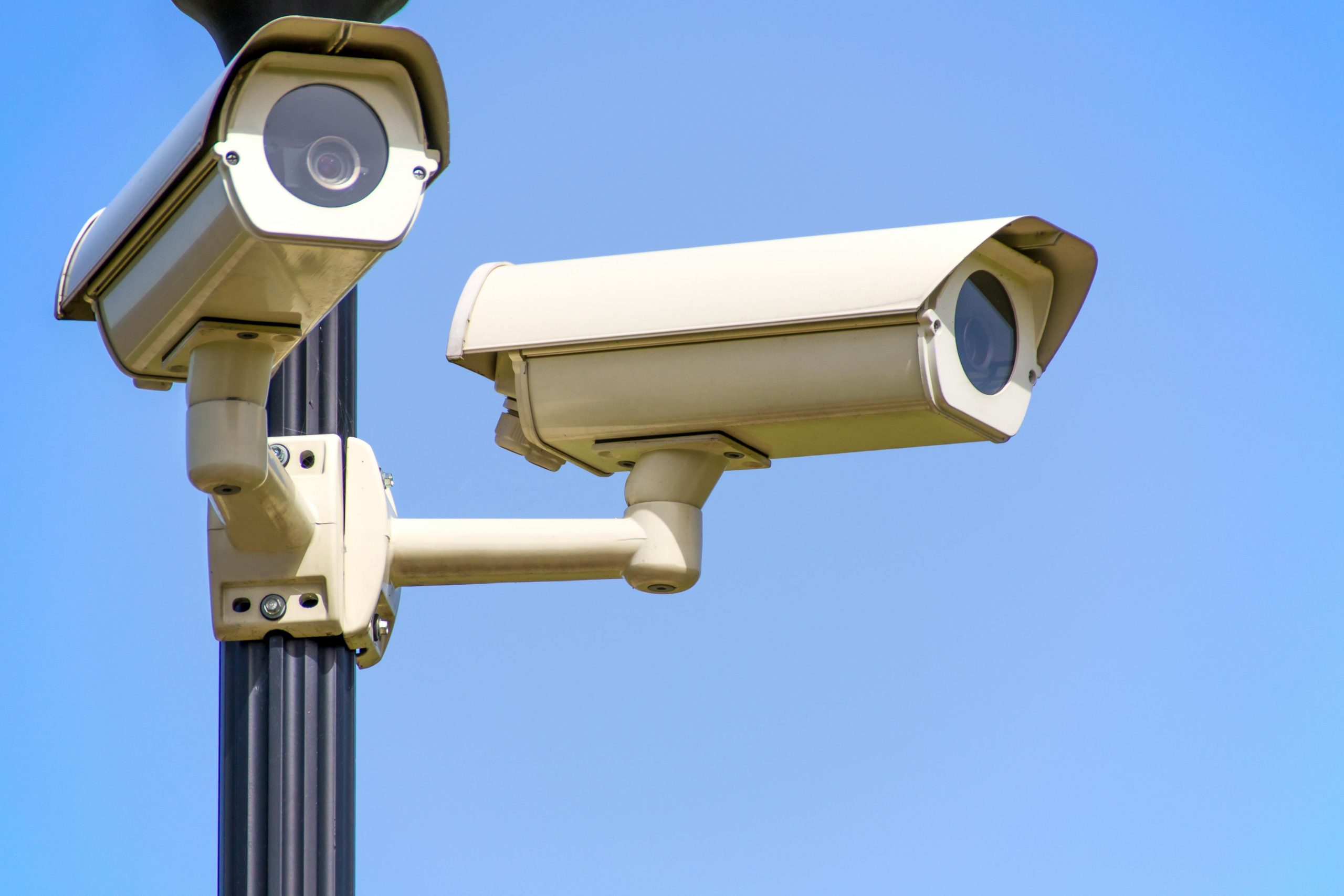
Enhanced security is another key advantage. Smart security devices, including cameras, door locks, and alarm systems, provide real-time monitoring and instant notifications. Advanced Smart Home systems offer features such as facial recognition, geofencing, and automated alerts to safeguard your property.
Convenience and time savings are central to Smart Home adoption. Routine tasks such as turning on lights, adjusting the thermostat, or controlling home appliances can be automated, freeing up valuable time for more meaningful activities. Voice-controlled assistants like Alexa or Google Home further enhance convenience by allowing hands-free operation.
Improved comfort and personalization are additional benefits. Smart Home technology adapts to individual preferences, from lighting intensity to room temperature and entertainment options. This personalization creates a more comfortable and enjoyable living environment.
Health and wellness monitoring is also a growing focus. Emerging Smart Home devices offer air quality monitoring, sleep tracking, and smart fitness equipment. Integrating these tools promotes healthier living and proactive wellness management.
Smart Home Automation Ideas for Every Room
Implementing a Smart Home involves more than installing a few connected devices. Strategic planning ensures that automation delivers maximum efficiency and convenience across all areas of the home.
Smart Living Room Solutions
The living room serves as the hub of home activity, making it an ideal starting point for Smart Home automation. Intelligent lighting systems allow users to adjust brightness, color temperature, and schedules based on mood or activity. Integration with voice assistants can automate routines, such as dimming lights for movie nights or adjusting temperature when entertaining guests.
Smart entertainment systems enhance the living experience by consolidating control of TVs, sound systems, and streaming services. Homeowners can create personalized scenes that trigger multiple devices simultaneously, optimizing comfort and reducing manual effort.
Smart Kitchen Innovations
The kitchen benefits greatly from Smart Home automation, particularly in energy management, food safety, and convenience. Smart refrigerators can monitor inventory, track expiration dates, and even suggest recipes based on available ingredients. Wi-Fi-enabled ovens and cooktops allow remote temperature control, preheating, or recipe guidance, making cooking safer and more efficient.
Voice-activated assistants can streamline meal preparation, set reminders, and manage grocery lists automatically. Additionally, smart water sensors can detect leaks and prevent potential damage, adding an extra layer of protection.
Smart Bedroom Enhancements
Bedrooms are increasingly integrated into Smart Home ecosystems, emphasizing comfort, sleep quality, and relaxation. Smart lighting systems adjust gradually to mimic natural sunlight, supporting circadian rhythms and promoting better sleep. Connected thermostats maintain optimal temperatures, while smart blinds adjust automatically to light and privacy needs.
Sleep tracking devices and smart mattresses provide data-driven insights into rest patterns, enabling users to fine-tune their sleeping environment. Personalization extends to ambient sounds, lighting preferences, and automated routines that create a peaceful, restorative atmosphere.
Smart Bathroom Automation
The bathroom is often overlooked in Smart Home setups, yet automation can greatly enhance convenience and efficiency. Smart mirrors offer weather updates, calendar notifications, and integrated lighting controls. Intelligent showers can pre-set temperature preferences, track water usage, and reduce waste.
Leak detectors, humidity sensors, and smart ventilation systems prevent water damage and improve air quality, creating a safer and healthier environment.
Smart Home Office Solutions
With remote work becoming increasingly prevalent, Smart Home office automation can significantly improve productivity. Intelligent lighting adjusts to daylight cycles to reduce eye strain, while ergonomic smart furniture can monitor posture and encourage breaks.
Voice-activated assistants manage schedules, emails, and reminders, while smart climate control ensures a comfortable workspace. Advanced home networks prioritize connectivity for high-speed internet, reducing lag in video calls or online collaboration platforms.
Integrating Smart Home Security Systems
Security remains one of the most critical aspects of a Smart Home. Modern systems offer comprehensive protection through a combination of sensors, cameras, alarms, and intelligent software.
Smart cameras allow homeowners to monitor activity remotely, receive alerts for unusual motion, and review recorded footage. Smart door locks enable keyless entry, temporary access codes, and automatic locking for convenience and safety.
Additionally, integrated systems can connect fire alarms, carbon monoxide detectors, and emergency response features, creating a cohesive safety network. Automation ensures that alerts and responses are immediate, reducing the risk of property damage or personal harm.
Energy Management and Sustainability
A truly intelligent Smart Home emphasizes energy efficiency and sustainable living. Smart thermostats, lighting, and appliances minimize unnecessary energy consumption by adapting to occupancy, time of day, and external weather conditions.
Advanced systems can track energy usage patterns, providing actionable insights for cost savings and environmental impact reduction. Solar panel integration, battery storage, and energy monitoring further enhance sustainability, allowing homeowners to contribute to eco-friendly initiatives while lowering energy costs.
Voice Control and Artificial Intelligence Integration
Voice assistants have become central to Smart Home automation, providing intuitive control over connected devices. Platforms such as Amazon Alexa, Google Assistant, and Apple Siri allow users to manage lighting, climate, entertainment, and security without manual intervention.
Artificial intelligence further enhances the Smart Home experience by learning user preferences and anticipating needs. For example, AI-powered systems can automatically adjust temperature, lighting, and music based on historical habits, creating a personalized environment that evolves with the household.
Overcoming Common Smart Home Challenges
While the benefits of a Smart Home are clear, integration can present challenges. Compatibility between devices, network reliability, cybersecurity, and upfront costs are among the primary concerns.
To address these issues, homeowners should prioritize devices that adhere to standardized protocols, invest in robust network infrastructure, and implement strong security measures, including encrypted connections and two-factor authentication.
Additionally, gradual implementation ensures that the home adapts smoothly to new technology without overwhelming the occupants. Consulting with professionals or conducting thorough research before purchasing devices can prevent costly mistakes and maximize long-term benefits.
Future Trends in Smart Home Technology
The Smart Home landscape continues to evolve, driven by innovations in artificial intelligence, the Internet of Things (IoT), and predictive analytics. Future trends include fully autonomous homes that anticipate needs before they are expressed, enhanced voice recognition, smarter energy management systems, and even integration with urban infrastructure for seamless city-wide connectivity.
As technology advances, Smart Home automation will become increasingly intuitive, personalized, and capable of creating homes that respond dynamically to human behavior, offering unparalleled convenience, safety, and efficiency.
Conclusion
The Smart Home revolution has transformed the concept of modern living, blending technology, convenience, and efficiency into every aspect of daily life. By strategically integrating automation solutions across living rooms, kitchens, bedrooms, bathrooms, and home offices, homeowners can streamline routines, enhance comfort, and improve security.
From energy management to personalized wellness and intelligent entertainment, Smart Home automation represents not just a luxury but a practical investment in quality of life. With careful planning, the right devices, and expert insights, any homeowner can embrace the future of intelligent living, simplifying daily life while maximizing safety, efficiency, and enjoyment. For more insights, head over to our main site.
Frequently Asked Questions About Smart Home Automation
What is a Smart Home and how does it work?
A Smart Home is a residence equipped with connected devices that communicate with each other and can be remotely controlled via apps, voice assistants, or automated routines. These devices can include lighting, thermostats, security cameras, and appliances, all working together to enhance convenience, efficiency, and security.
Are Smart Home devices difficult to install?
Most Smart Home devices are designed for user-friendly installation, often requiring only Wi-Fi connectivity and simple app configuration. While some advanced systems may benefit from professional installation, many homeowners can set up basic automation features themselves without specialized knowledge.
How secure is a Smart Home system?
Security in a Smart Home depends on device quality, network encryption, and proper user practices. Modern systems use encrypted connections, two-factor authentication, and regular software updates to protect against unauthorized access. Strong passwords and careful network management are essential for optimal security.
Can a Smart Home save money on energy bills?
Yes, Smart Home devices like thermostats, lighting systems, and energy monitors optimize usage based on behavior and environmental conditions, reducing energy waste and lowering utility costs over time. Proper scheduling and automation significantly contribute to cost savings.
Which Smart Home devices are most essential?
Key Smart Home devices typically include smart lighting, thermostats, security cameras, door locks, voice assistants, and appliances such as smart refrigerators or ovens. The ideal setup depends on household needs, lifestyle preferences, and desired automation levels.