Introduction to the Samsung Galaxy S8
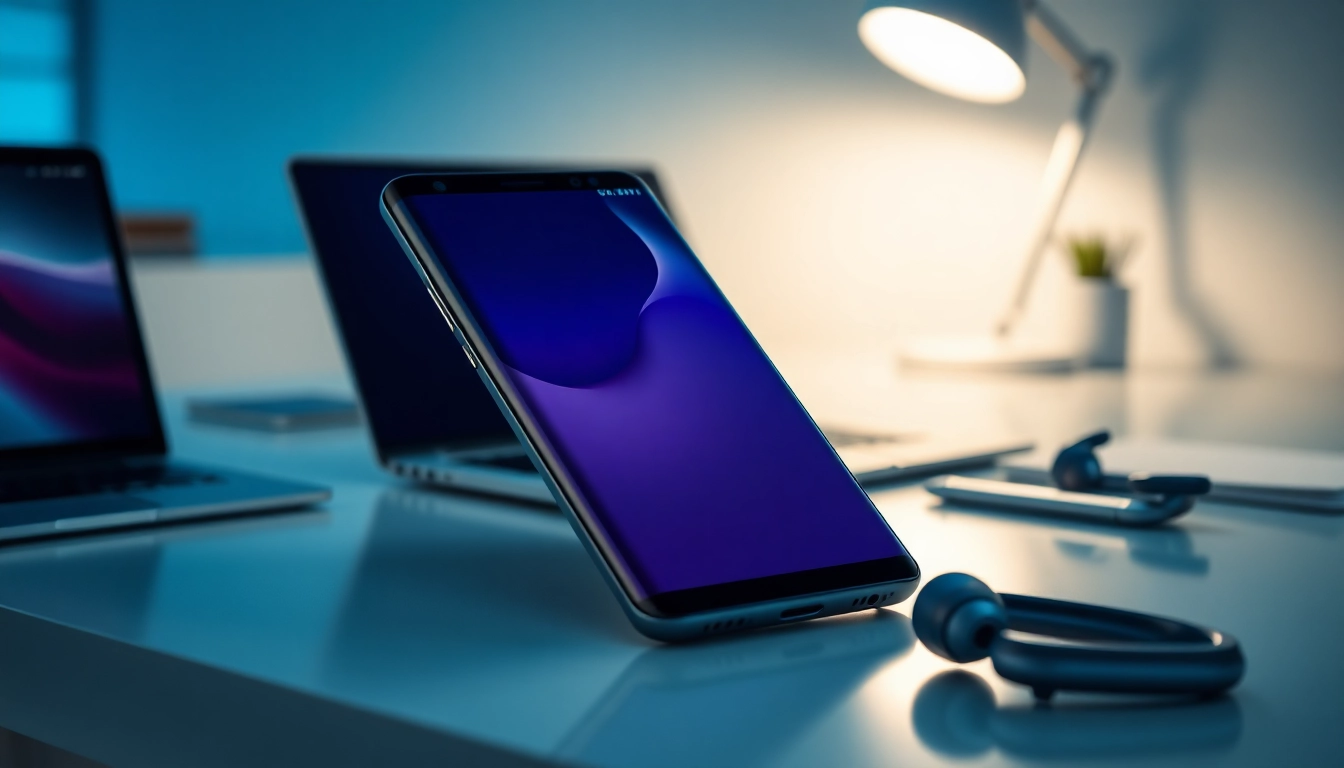
The Samsung Galaxy S8, introduced in March 2017, marked a significant milestone in the evolution of smartphones. With its sleek design, edge-to-edge display, and impressive specifications, the S8 set a new standard for mobile devices at the time of its launch. Fast forward to 2025, and many users continue to wonder whether this once-innovative device still possesses the capabilities to compete in today’s crowded smartphone market. From its performance and usability to camera capabilities and market relevance, this article will delve into the enduring legacy of the S8 and evaluate its position in the contemporary smartphone ecosystem. When exploring options, S8 provides comprehensive insights into its ongoing appeal.
Overview and Key Features of the S8
The Galaxy S8 was groundbreaking for its time, featuring a stunning 5.8-inch Super AMOLED display, which offered vivid colors and deep blacks, making it perfect for media consumption. The device’s Infinity Display design eliminated the physical home button, which contributed to its elegant aesthetic. Its rear camera boasted a 12 MP lens with Optical Image Stabilization (OIS), while the front camera featured an 8 MP lens with autofocus, ensuring high-quality selfies. Powered by the Exynos 8895 or Snapdragon 835 processor, depending on the region, the S8 was available with 4 GB of RAM and 64 GB of internal storage, expandable via microSD.
Historical Significance in Smartphone Evolution
The S8’s introduction was pivotal in shaping smartphone design. It was one of the first devices to embrace a bezel-less display, a trend that has since become the industry standard. This design choice not only enhanced the visual appeal of the device but also improved user interaction, allowing for a more immersive experience. Furthermore, the S8 incorporated advances in water and dust resistance ratings, achieving IP68 certification, which set a new benchmark for durability in smartphones.
Comparative Analysis with Modern Devices
When compared to modern smartphones, such as the latest iterations of the Galaxy S series and other flagship devices, the S8 shows its age in some aspects. For instance, the introduction of 5G capabilities, higher refresh rate displays, and advanced camera features in newer models highlight the rapid technological advancements made since the S8’s release. However, the foundational principles of its design, coupled with its rich feature set, still make it a compelling option for users seeking value in a smartphone.
Performance and Usability of the S8 in 2025
Despite being nearly a decade old, the performance of the S8 deserves thorough evaluation. With the Android operating system evolving regularly, the S8 has experienced several updates, which have refined its performance and user experience. The question remains: how does it fare against the demands of 2025?
Assessing Speed and Operating System Updates
The Galaxy S8 initially launched with Android 7.0 Nougat and has received updates up to Android 9.0 Pie. While it may lack the latest features found in the newest Android versions, users can still enjoy a responsive experience for daily tasks. However, running more intensive applications or games may lead to performance limitations, especially when multitasking.
User Experience: Interface and Accessibility
A key strength of the S8 lies in its user-friendly interface, Samsung’s One UI taking over the standard Android experience. The layout is intuitive, making it accessible for both seasoned smartphone users and newcomers. Features like customizable navigation and accessibility options ensure that it remains usable for a diverse audience.
Compatibility with Current Apps and Services
Most popular applications remain compatible with the S8, although some newer features may be unavailable due to hardware limitations. Streaming services, social media apps, and productivity tools generally run smoothly, albeit with occasional slowdowns. The device’s longevity in supporting essential apps makes it a valuable choice for users who prioritize fundamental functionalities over cutting-edge features.
The S8’s Camera Capabilities: Still Relevant?
Camera performance is a critical factor for many users when evaluating a smartphone, and the S8 was known for its strong photographic capabilities at launch. In this section, we will analyze the camera specifications and how they hold up against modern standards.
Camera Specifications and Quality Analysis
The S8’s 12 MP rear camera offers high-quality images with good detail and color reproduction. Features like OIS help improve low-light performance, allowing users to capture clear photos in challenging lighting conditions. However, as camera technology has advanced, newer models offer superior sensors, higher resolutions, and enhanced image processing algorithms.
Real-World Photography Comparisons
In real-world scenarios, while the S8 can still capture appealing images, side-by-side comparisons with more recent smartphones reveal significant differences in clarity, color accuracy, and low-light capability. Users seeking the best photographic results may find themselves needing to upgrade to a more modern device, particularly as social media and content creation continue to demand higher standards.
Integrating Modern Photography Trends
Current photography trends, such as enhanced night modes and AI-assisted photography, are largely absent on the S8. While it remains functional for casual photography, users looking to leverage advanced features may need to explore newer alternatives that cater to contemporary photography standards.
Value Proposition: Is the S8 Worth Buying in 2025?
As we approach 2025, the value proposition of purchasing a Galaxy S8 requires careful consideration. Factors such as market positioning, user reviews, and longevity must be weighed to determine if this device is a wise investment.
Market Positioning and Pricing Trends
The Galaxy S8’s pricing has significantly decreased since its launch, making it an attractive option for budget-conscious consumers. As mid-range smartphones continue to improve, the S8 competes effectively in the lower price tier, appealing to those who prioritize affordability over the latest tech features.
User Reviews and Community Insights
User reviews often highlight the S8’s design, display quality, and solid performance for everyday tasks. However, many users also express concerns about its aging hardware and the lack of software updates, leaving them to wonder if they should invest in a newer device. Community insights suggest that while the S8 still garners affection, many users feel torn between nostalgia and practicality.
Longevity and Future-Proofing Considerations
In terms of longevity, the S8 has sustained its utility well beyond initial expectations. However, with technology evolving rapidly, it becomes increasingly evident that even beloved devices can face obsolescence. Those looking for a future-proof investment may want to consider newer smartphones that offer more extended software support and advanced features.
Conclusion: The Future of the S8 Beyond 2025
As we gaze into the future, the legacy of the Samsung Galaxy S8 becomes clearer, a mix of admiration for its design and a realization of its limitations in a fast-paced technological landscape.
Predictions on Device Support and Updates
Looking ahead, software support for the S8 will likely dwindle, leaving users at risk of security vulnerabilities and incompatibilities with newer applications. Device support beyond 2025 may be minimal, prompting many users to consider alternative devices.
Emerging Alternatives: Should Users Upgrade?
With a plethora of new smartphones entering the market, users seeking significant advancements in functionality and capability will find compelling alternatives. Devices from the latest Galaxy series, as well as competitors from Apple and Google, present opportunities for enhanced performance, camera specifications, and overall user experience.
Final Thoughts on the S8’s Legacy
In conclusion, the Samsung Galaxy S8 holds a cherished place in the history of smartphones, symbolizing a turning point in design and usability. While it can still serve its purpose for specific users, the time is nearing for many to transition to newer models that align more closely with current technological standards and trends. The S8 will always be remembered for its groundbreaking contributions, but the future demands innovation and advancement.