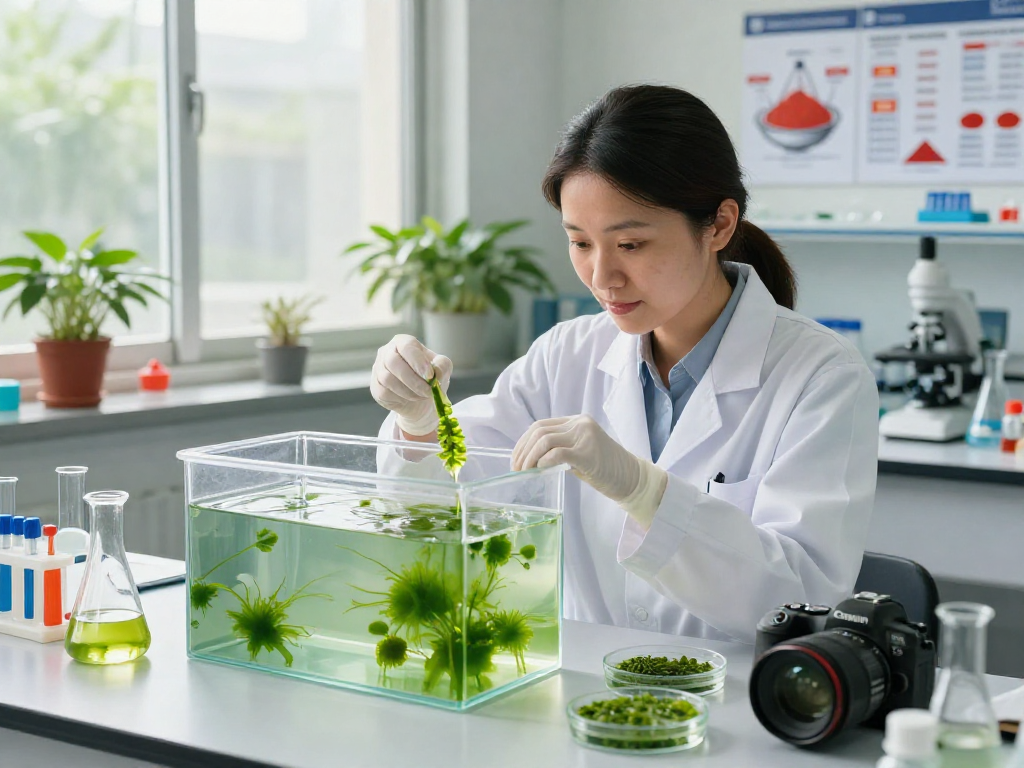
Understanding Microalgae Astaxanthin
Microalgae astaxanthin is a powerful carotenoid that has gained attention for its remarkable health benefits. Derived from certain microalgae species, astaxanthin is renowned for its potent antioxidant properties, making it a popular supplement in health and wellness circles. This article delves into the various aspects of microalgae astaxanthin, including its health benefits, sources, and applications, providing valuable insights for health enthusiasts. When exploring options, microalgae astaxanthin provides comprehensive insights into its advantages and applications.
What is Microalgae Astaxanthin?
Microalgae astaxanthin is an orange-red pigment found in various types of microalgae, primarily Haematococcus pluvialis. This pigment not only contributes to the vibrant coloration of aquatic life, such as salmon and flamingos, but it also plays a critical role in protecting these organisms from environmental stressors, such as UV radiation. Astaxanthin is classified as a xanthophyll carotenoid and is well-known for its strong antioxidant capabilities, which are significantly higher than those of other antioxidants like vitamin C and vitamin E.
Health Benefits of Astaxanthin
The health benefits of astaxanthin are vast and supported by a growing body of research. Some of the most notable benefits include:
- Antioxidant Protection: Astaxanthin is renowned for its ability to combat oxidative stress and reduce inflammation in the body.
- Skin Health: Studies indicate that astaxanthin can improve skin elasticity, hydration, and overall appearance when consumed or applied topically.
- Eye Health: Due to its ability to penetrate eye tissues, astaxanthin may help protect against age-related macular degeneration and other eye issues.
- Exercise Performance: Research suggests that astaxanthin supplementation can enhance endurance and muscle recovery, making it popular among athletes.
- Cognitive Function: Some studies have linked astaxanthin to improved cognitive health due to its neuroprotective properties.
Sources of Microalgae Astaxanthin
Microalgae are the primary source of astaxanthin, with Haematococcus pluvialis being the most efficient producer. Besides supplements, astaxanthin can also be found in certain foods, particularly:
- Wild-caught salmon
- Trout
- Shrimp
- Lobsters
- Red algae
The Science Behind Astaxanthin
How Astaxanthin Works in the Body
Astaxanthin's efficacy in the body largely stems from its ability to scavenge free radicals and minimize lipid peroxidation. By integrating into cell membranes, it provides structural integrity and protects against oxidative damage, promoting cellular health. This unique position allows astaxanthin to function effectively in various systems, including respiratory, cardiovascular, and nervous systems.
Comparative Benefits with Other Antioxidants
Compared to other commonly known antioxidants, astaxanthin stands out due to its enhanced potency. For instance, while vitamin C and vitamin E are effective, studies reveal that astaxanthin is 6000 times more potent than vitamin C and 800 times stronger than coenzyme Q10. This superior antioxidant capacity makes it particularly beneficial for combating chronic inflammation and oxidative stress.
Recent Research Findings on Astaxanthin
Recent studies have shed light on the expanding therapeutic potential of astaxanthin. Research published in 2023 indicates that astaxanthin may play a role in reducing symptoms of chronic diseases such as arthritis, heart disease, and neurodegenerative conditions. Furthermore, its anti-inflammatory properties have made it a candidate for potential benefits in managing autoimmune disorders.
Applications of Microalgae Astaxanthin
Astaxanthin in Dietary Supplements
Astaxanthin is widely available in various forms of dietary supplements, including soft gels, capsules, and powders. These supplements provide an easy and concentrated way to incorporate astaxanthin into one’s diet, often promoting benefits such as enhanced skin health, improved endurance, and reduced inflammation.
Role in Skincare Products
With its proven benefits for skin health, astaxanthin has become a staple in many skincare formulations. Cosmetic companies leverage astaxanthin’s antioxidant properties to create products that target signs of aging, dry skin, and environmental damage. Its ability to improve skin hydration and elasticity has made it a sought-after ingredient in both serums and creams.
Astaxanthin in Food and Beverage Industry
The food and beverage industry has also begun to incorporate astaxanthin for its vibrant coloring and health benefits. Natural astaxanthin is used as a food colorant, replacing synthetic options in a range of products, including yogurts, snacks, and beverages. This shift is not only beneficial for health-conscious consumers but also aligns with growing trends toward clean-label ingredients.
Choosing the Right Astaxanthin Products
What to Look for in Quality Supplements
When choosing astaxanthin supplements, it is crucial to consider the following factors:
- Source: Opt for products derived from Haematococcus pluvialis for maximum potency.
- Form: Soft gels often provide better bioavailability than powders.
- Certification: Look for third-party testing to ensure product purity and potency.
Understanding Labels and Dosages
Reading labels correctly is essential for effective supplementation. Most studies suggest a daily dosage of 4-12 mg of astaxanthin to experience health benefits. Ensure labels disclose the source of the astaxanthin and any additional ingredients or fillers to avoid potential allergens.
Common Misconceptions and Mistakes
One prevalent misconception is that more astaxanthin always means greater benefits. However, exceeding recommended dosages may lead to unnecessary expenses without additional health benefits. Furthermore, some may believe that astaxanthin alone can counteract poor diet or lifestyle choices, neglecting the importance of a balanced approach to health.
Future Trends in Microalgae Astaxanthin
Environmental and Sustainability Considerations
As demand for astaxanthin grows, sustainable sourcing practices will become increasingly important. Cultivating microalgae in controlled environments minimizes environmental impact and ensures a reliable supply. Innovations in aquaculture and bioprocessing techniques are likely to enhance yield and sustainability, paving the way for a greener future in astaxanthin production.
Technological Innovations in Astaxanthin Production
Technological advancements are expected to enhance the efficiency of astaxanthin extraction and processing. Emerging methods, such as supercritical CO2 extraction, promise higher yields and purity, positioning astaxanthin as a premium health supplement. Additionally, advancements in biotechnology may enable the production of astaxanthin through fermentation processes, further diversifying sources.
Predictions for Astaxanthin in Health and Nutrition (2026 and Beyond)
Looking ahead to 2026 and beyond, astaxanthin is poised to see broader adoption across health and nutrition sectors. Expect to see increased integration in functional foods, sports nutrition products, and even pet health supplements. As research continues to uncover new benefits, astaxanthin may evolve into a staple component of health regimens aimed at combating modern health challenges.