
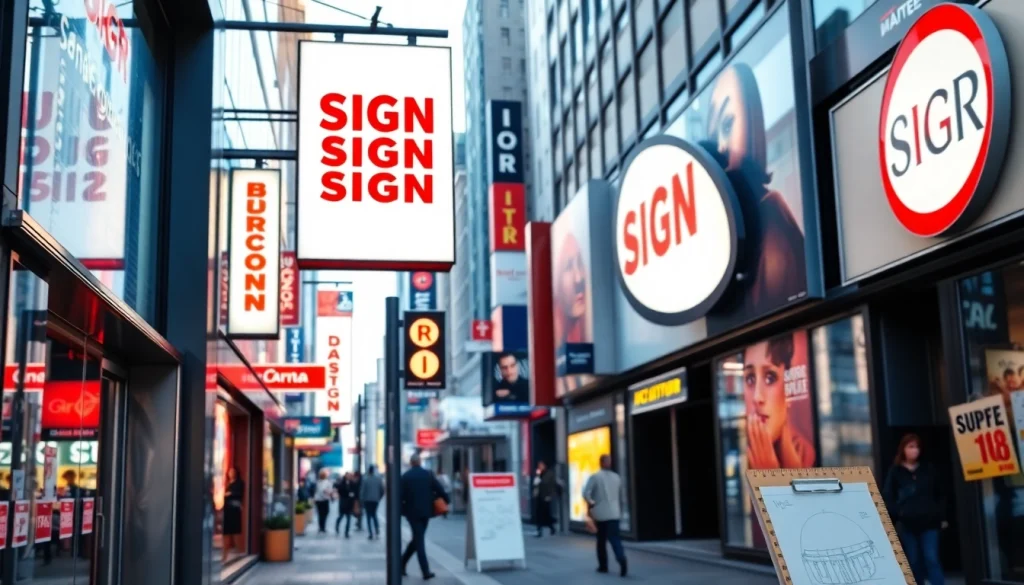
Understanding the Fundamentals of Sign Design
In a world where visual communication is more essential than ever, the significance of effective sign design cannot be overstated. It serves not only as a functional tool but also as a powerful medium to convey messages and foster connections between brands and their audiences. Understanding the fundamentals of sign design is crucial for anyone involved in marketing, advertising, or branding.
The Importance of Visual Appeal
Visual appeal is the first impression a sign makes. A well-designed sign captures attention instantly, making it essential to create an emotional response. The aesthetic elements, including colors, fonts, and imagery, work together to create an inviting look that resonates with viewers. A sign that is visually appealing can attract more foot traffic, increase engagement, and ultimately drive sales. Remember, a potential customer may not stop to read a poorly designed sign, but a striking one can linger in their mind long after they pass by.
Key Design Elements That Matter
Several key elements play crucial roles in creating an effective sign design. Understanding these elements can enhance the success of your signage:
- Color: Colors evoke emotions and can significantly affect perception. For example, red is often associated with urgency, while blue inspires trust.
- Typography: The fonts used should be legible from a distance. Combining typefaces can create hierarchy but avoid clutter.
- Imagery: Images can enhance understanding. They should complement the message without overshadowing the text.
- Layout: A clear and organized layout guides the eye and helps in delivering the message quickly.
Common Mistakes to Avoid
Even seasoned designers can fall into traps when creating signage. Here are common mistakes to avoid to ensure your sign is effective:
- Overcomplicating: Too much text or clutter can confuse the viewer. Aim for simplicity for maximum impact.
- Poor Visibility: Colors that don’t contrast well can make the sign hard to read.
- Ignoring Brand Consistency: Ensure that the design aligns with your overall branding strategy.
- Neglecting the Target Audience: Understanding what appeals to your audience is fundamental in sign design.
Types of Sign Design and Their Applications
Sign designs can be categorized into various types based on their location and purpose. Understanding these categories can greatly inform the design process.
Outdoor vs. Indoor Signage
Outdoor signage faces different challenges than indoor signage, such as weather, lighting conditions, and visibility from a distance. Outdoor signs often need to be more durable and weather-resistant, while indoor signs may prioritize aesthetics and branding.
Digital vs. Traditional Sign Design
With the rise of technology, businesses are now faced with the choice between digital and traditional sign design. Digital signs provide versatile content that can be changed frequently, appealing to transient audiences. On the other hand, traditional signage, such as vinyl and wood, conveys a sense of permanence and can be more cost-effective for long-term use.
Business Signage Essentials
Every business needs essential signage to communicate key information. This includes storefront signs, directional signs, and informational signs. Each type serves a specific purpose and should be designed accordingly to maximize effectiveness.
Creating a Unique Sign Design
To stand out in a crowded market, a unique sign design is imperative. This chapter delves into several strategies for achieving distinctiveness.
Incorporating Brand Identity
Your sign should reflect your brand identity at a glance. This means using brand colors, logos, and taglines to create a cohesive look. Consistent branding across all platforms enhances recognition and trust from customers.
Using Color Psychology
Color choices are not merely aesthetic; they influence behavior and perception. Understanding color psychology can help you choose hues that align with the message you wish to communicate. For instance, green promotes calmness and is often used by health-related businesses.
Typography and Readability
When selecting typography, legibility should always come first. Sans-serif fonts are typically easier to read from a distance. Additionally, a limited number of font styles will help maintain clarity and professionalism in your sign design.
Best Practices in Sign Design
Implementing best practices in sign design ensures that your signage is not only beautiful but also functional and effective.
Material Selection for Durability
The materials chosen for your sign affect its durability and maintenance. Common materials include vinyl, metal, and wood, each offering varying degrees of strength and weather resistance. Consider your location and the elements the sign will face when making your choice.
Optimal Size and Placement Tips
Size plays a crucial role in a sign’s visibility. The ideal size should be determined based on where the sign will be viewed from; larger signs are necessary for fast-moving traffic, while smaller signage works well for close viewing. Placement is equally important; it should be located where it can easily catch the eye without obstructing navigation.
Regulatory Considerations
Compliance with local signage regulations is critical. This includes permits for installation, keeping within size restrictions, and adhering to safety codes. Failing to comply can result in fines or forced removal, impacting your business negatively.
Measuring Success: Evaluating Your Sign Design
Once your sign is in place, it’s vital to measure its effectiveness. Understanding its impact helps in making informed adjustments.
Feedback and Community Response
Gathering feedback from customers and passersby can provide valuable insights into your sign’s effectiveness. Engaging with your community through surveys or direct questions will offer perspectives that can guide future design endeavors.
Performance Metrics to Track
Measuring performance can include tracking foot traffic, sales increases, or even engagement via social media mentions. These metrics demonstrate the sign’s effectiveness and can validate the return on investment.
Continuous Improvement Methods
Sign design is not a set-it-and-forget-it endeavor. Use the feedback and metrics gathered to enhance your sign’s design. Regularly revisiting and updating your signage ensures it remains relevant and effective.
Frequently Asked Questions
What makes a sign effective?
An effective sign is clear, visually appealing, appropriately sized, and strategically placed. It should communicate its message quickly to attract attention.
How can color affect my sign design?
Color can evoke emotions and influence perception. Choosing the right colors that match your brand can enhance recognition and response.
What materials are best for outdoor signage?
Materials like aluminum, acrylic, and treated wood offer durability against weather elements. Ensure they are appropriate for your local climate.
How do I measure my sign’s success?
Success can be measured through foot traffic, sales data, customer feedback, and social media engagement. Regularly assess these metrics.
Are there regulations I need to follow?
Yes, most areas have regulations regarding signage size, placement, and permits. Always check local laws before installing new signage.