
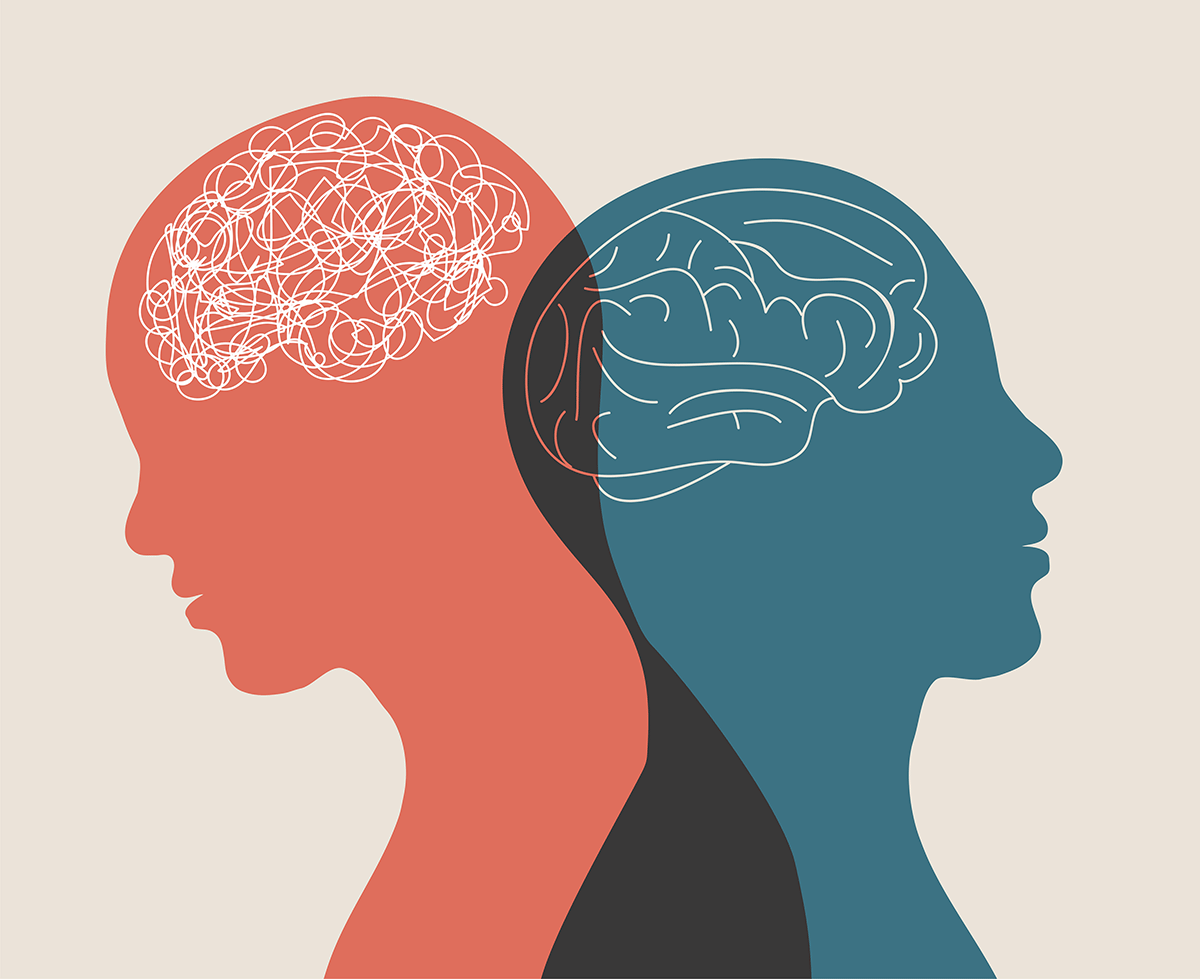

Understanding and maintaining Emotional wellbeing is essential for living a balanced and fulfilling life. Emotional wellbeing impacts how we handle stress, build relationships, make decisions, and cope with challenges. Regularly assessing emotional wellbeing helps identify areas of strength and areas needing attention, allowing individuals to take proactive steps toward mental and emotional health. This article explores practical tools, techniques, and strategies for evaluating emotional wellbeing and fostering long-term resilience.
Understanding Emotional Wellbeing
What is Emotional Wellbeing?
Emotional wellbeing refers to the ability to recognize, understand, and manage emotions effectively. It involves coping with stress, maintaining positive relationships, and experiencing life satisfaction. Strong emotional wellbeing contributes to mental clarity, improved decision-making, and a balanced outlook on life.
Why Assess Emotional Wellbeing?
Regular assessment allows individuals to:
- Recognize emotional strengths and areas for growth
- Identify stressors and triggers affecting mental health
- Implement strategies to enhance resilience and reduce anxiety
- Track progress over time in managing emotions effectively
Key Indicators of Emotional Wellbeing
Emotional wellbeing can be observed through several indicators:
- Emotional stability and resilience
- Positive relationships and social connections
- Ability to cope with stress and setbacks
- Self-awareness and self-compassion
- Motivation and sense of purpose
Self-Assessment Tools for Emotional Wellbeing
Mood Journals
Maintaining a mood journal allows individuals to track emotions, stress levels, and triggers over time. Recording daily feelings, thoughts, and experiences provides insight into patterns and areas for improvement.
How to Use a Mood Journal:
- Dedicate 5–10 minutes daily to record emotions and situations
- Note triggers, coping strategies, and outcomes
- Reflect weekly to identify trends and progress in emotional wellbeing
Emotional Checklists
Emotional checklists help assess how frequently certain feelings or behaviors occur. These tools provide a structured approach to identifying strengths and areas needing attention.
Example Approach:
- List emotions such as happiness, anxiety, irritability, or calmness
- Rate frequency or intensity on a scale (e.g., 1–5)
- Review results to pinpoint patterns affecting emotional wellbeing
Self-Reflection Questions
Asking targeted questions fosters self-awareness and clarity. Reflecting on emotions, behaviors, and coping strategies strengthens emotional wellbeing.
Sample Questions:
- How do I respond to stressful situations?
- Which activities make me feel energized or drained?
- Am I able to express emotions constructively?
- How satisfied am I with my relationships and social connections?
Digital Mental Health Apps
Several apps provide assessments, guided exercises, and tracking features to evaluate emotional wellbeing. These tools often include mood tracking, mindfulness exercises, and personalized recommendations to improve mental health.
Popular Features:
- Daily mood tracking and reflection prompts
- Mindfulness and meditation exercises
- Goal-setting and habit tracking
- Progress reports and analytics
Techniques to Assess Emotional Resilience
Stress and Coping Evaluation
Assessing how individuals handle stress provides insight into emotional wellbeing. Techniques include:
- Identifying common stressors in personal, academic, or work life
- Tracking reactions to stressful events and coping mechanisms
- Evaluating whether responses are constructive or harmful
Mindfulness Awareness
Mindfulness practice enhances emotional awareness, which is crucial for self-assessment. Paying attention to thoughts, feelings, and bodily sensations helps identify emotional patterns and triggers.
Mindfulness Exercise for Assessment:
- Set aside 5–10 minutes to sit quietly and focus on breathing
- Observe emotions as they arise without judgment
- Note recurring thoughts or emotional reactions to guide self-awareness
Social and Relationship Assessment
Relationships are central to emotional wellbeing. Evaluating social connections helps identify sources of support and areas needing improvement.
Assessment Steps:
- List key relationships and their quality (supportive, neutral, stressful)
- Reflect on feelings after interacting with each person
- Consider steps to enhance supportive relationships and reduce stressors
Life Satisfaction Scales
Life satisfaction scales measure overall contentment with different life domains, including personal growth, relationships, and work. These scales provide insight into areas impacting emotional wellbeing.
How to Use:
- Rate satisfaction in areas such as career, family, health, and personal goals
- Identify areas with lower satisfaction for targeted improvement
- Track changes over time to monitor progress in emotional wellbeing
Implementing Findings from Emotional Wellbeing Assessments
Set Realistic Goals
Based on assessment results, set achievable goals to improve emotional wellbeing. Goals may include practicing mindfulness, improving communication, or increasing physical activity.
Develop Coping Strategies
Identify effective strategies for managing stress, regulating emotions, and building resilience. Techniques may include deep breathing, journaling, or seeking professional support.
Monitor Progress Regularly
Consistent monitoring helps evaluate the effectiveness of interventions and reinforces positive habits. Adjust strategies as needed to maintain emotional balance and resilience.
Seek Professional Guidance
If assessments reveal persistent stress, anxiety, or emotional difficulties, consulting a therapist or counselor is recommended. Professional support ensures guidance tailored to individual needs and strengthens emotional wellbeing.
Benefits of Regular Emotional Wellbeing Assessment
Improved Self-Awareness
Regular evaluation helps individuals recognize their emotional strengths, triggers, and responses, enabling proactive management of challenges.
Enhanced Resilience
Identifying areas of improvement allows individuals to develop coping strategies, build emotional strength, and bounce back from setbacks.
Better Decision-Making
Understanding emotional patterns promotes clarity and reduces impulsive reactions, supporting better choices in personal and professional life.
Positive Relationships
Assessing emotional wellbeing fosters empathy and effective communication, strengthening interpersonal connections and social support networks.
Reduced Stress and Anxiety
Monitoring emotions and implementing self-care strategies reduce chronic stress and anxiety, contributing to long-term emotional wellbeing.
Conclusion
Assessing emotional wellbeing is a vital step toward maintaining mental and emotional health. Tools such as mood journals, self-reflection, mindfulness exercises, and life satisfaction scales provide insight into emotional patterns, strengths, and areas for growth. Regular evaluation enables individuals to develop coping strategies, set realistic goals, strengthen resilience, and cultivate positive relationships. Prioritizing emotional wellbeing through assessment ensures a proactive approach to managing stress, enhancing self-awareness, and promoting long-term emotional health. Stay updated and inspired—everything starts at our main site.
FAQs
What is the easiest way to assess emotional wellbeing?
Keeping a daily mood journal or using self-reflection questions is an easy and effective way to assess emotional wellbeing. Tracking feelings and triggers provides insights into patterns and areas for improvement.
How often should emotional wellbeing be assessed?
Emotional wellbeing should be assessed regularly, such as weekly or monthly, to monitor changes, identify stressors, and implement effective coping strategies.
Can professional tools improve emotional wellbeing assessment?
Yes, digital apps, questionnaires, and professional assessments provide structured guidance, personalized recommendations, and progress tracking to enhance emotional wellbeing evaluation.
Contact Us:
Name: Calm Minds Hub
Address: London Eye, Riverside Building, County Hall, Westminster Bridge Rd, London SE1 7PB, United Kingdom
Website: https://calmmindshub.com/