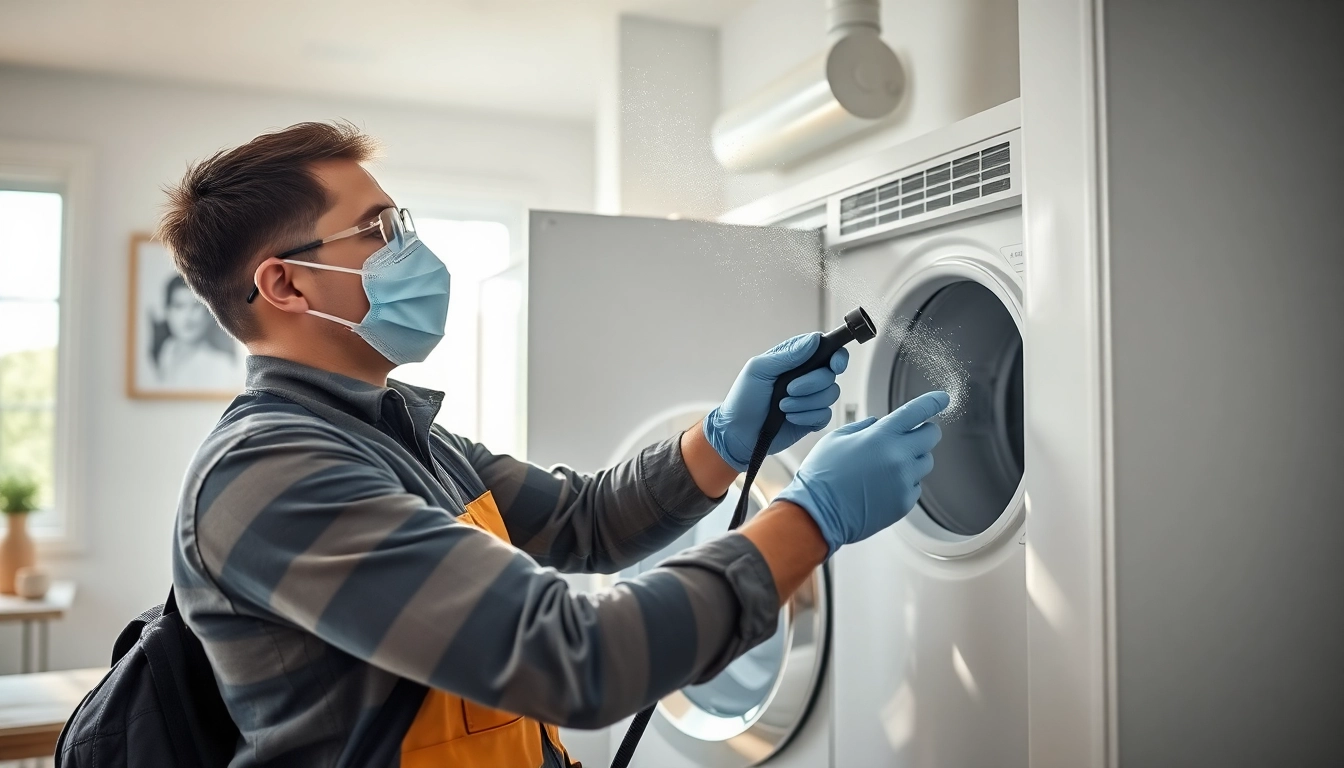
Understanding Gas Dryer Repair Basics
A gas dryer is a household appliance that makes laundry days easier and more efficient. However, like any machine, they can run into issues that require attention. Knowing the basics of gas dryer repair can save you time, money, and frustration. Let’s explore some fundamental aspects of gas dryer repairs including maintenance, common problems, and signs that your dryer may need professional services.
The Importance of Regular Maintenance
Regular maintenance of your gas dryer is crucial for extending its lifespan and ensuring efficient operation. Simple tasks such as cleaning lint traps after each use, inspecting vents for blockages, and checking gas lines for leaks can significantly enhance performance. Engaging in routine maintenance can save you from costly repairs in the long run.
Common Problems Encountered
Gas dryers can face a variety of issues. Some of the most common problems include:
- Dryer Not Heating: Often caused by a faulty igniter or gas valve, this issue stops clothes from drying effectively.
- Overheating: Failing thermostats or air flow restrictions can lead to overheating, posing risks of fire hazards.
- Unusual Noises: Grinding, thumping, or squeaking sounds may indicate worn belts or drum rollers that need replacement.
- Failure to Start: This may result from faulty wiring or issues with the door switch.
Signs Your Gas Dryer Needs Repair
Being aware of the signs that indicate a need for repair can help you address problems before they worsen. Look for:
- Clothes taking longer than usual to dry.
- The dryer produces no heat.
- Unusual noises during operation.
- Increased energy bills, indicating inefficiency.
DIY Troubleshooting for Gas Dryer Repair
If you’re familiar with basic repairs, you may tackle some issues without calling a professional. Here are some DIY troubleshooting tips to consider.
Basic Tools Required for Repairs
Before you begin any repair, ensure you have the right tools at hand:
- Multi-meter for testing electrical components.
- Screwdrivers (both flathead and Phillips) for removing panels.
- Pliers for gripping and pulling parts, especially gas lines.
- Socket set for loosening nuts and bolts.
How to Identify Heating Issues
To determine if heating issues are present, follow these steps:
- Check if the igniter glows when the dryer starts. If it doesn’t, replace the igniter.
- Inspect the thermal fuse for continuity using a multimeter. A blown fuse needs replacement.
- Examine the gas valve solenoids; faulty solenoids can prevent gas flow and hinder heating.
Inspecting Gas Lines Safely
Working with gas lines requires caution. Always turn off the gas supply before inspecting connections. Look for:
- Loose connections: Tighten any loose joints with a wrench.
- Deterioration or cracks: If any such damages are present, replace the affected sections immediately.
When to Call a Professional for Gas Dryer Repair
While DIY repairs can be effective, some situations warrant professional assistance.
Understanding Repair Costs
The cost of gas dryer repairs varies based on the issue. Generally, minor repairs may range from $100 to $200, while extensive repairs can cost upwards of $400. Always weigh the repair expense against the cost of replacement.
Choosing the Right Repair Expert
When seeking professional help, consider these factors:
- Check for licenses and certifications to ensure the technician is qualified.
- Read online reviews to gauge customer satisfaction.
- Ask for warranties on parts and labor offered by the service provider.
Evaluating the Need for Replacement vs Repair
Determining whether to repair or replace your gas dryer can be daunting. As a rule of thumb, if the repair cost exceeds 50% of the price of a new model and your dryer is over 10 years old, replacement may be the more economical option. Factor in the future efficiency of newer models as well.
Best Practices for Prevention in Gas Dryer Repair
Preventive measures are key to avoiding frequent repairs and extending the useful life of your gas dryer.
Regular Cleaning Tips
Keep your dryer in optimal condition by following these cleaning tips:
- Clean lint traps after every use to enhance air circulation.
- Vacuum the dryer vent and surrounding areas quarterly to prevent blockages.
- Schedule professional vent cleaning at least once a year.
Proper Usage Techniques
Proper usage can help extend the lifespan of your appliance. Consider the following:
- Avoid overloading the dryer as this can strain the motor and lead to premature wear.
- Use the appropriate drying cycle for different fabrics to prevent damage and inefficiency.
Ensuring Safe Connections
Always ensure that your gas dryer is connected correctly. Use pipe sealant on threaded connections to prevent gas leaks, and conduct regular inspections.
Frequently Asked Questions About Gas Dryer Repair
Is it worth it to repair a gas dryer?
Yes, if the dryer is under 10 years old and repairs are less than half the cost of a new unit, fixing it is usually worth it.
What common issues lead to gas dryer repairs?
Common issues include no heat, improper drying times, strange noises, and failure to start. Many of these can be resolved with proper maintenance.
How do I know if my gas dryer can be fixed?
If the repair costs are under 50% of a new dryer, and the unit is relatively new, it is often worth repairing. Seek professional advice for accurate assessment.
What’s the average cost for gas dryer repair?
The average repair cost typically falls between $100 to $400, depending on the specific issue and required parts or labor.
How can I maintain my gas dryer to avoid repairs?
Regular lint cleaning, routine inspections, proper usage, and ensuring safe gas connections can prevent many issues and extend the dryer’s lifespan.