
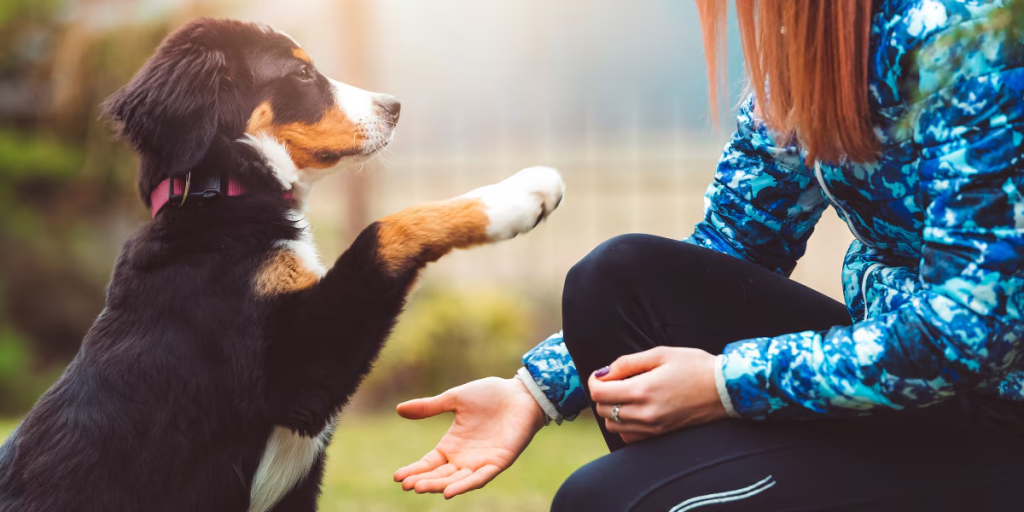
Training a giant breed requires patience, structure, and consistency, and Great Dane training is no exception. Because Great Danes grow rapidly and reach a significant size within months, early guidance is essential to prevent unwanted behaviors from becoming difficult to manage later. Effective Great Dane training focuses on communication, positive reinforcement, and setting clear expectations from puppyhood through adulthood.
This guide breaks down practical, real-world strategies for raising a well-mannered Great Dane, covering obedience foundations, leash manners, socialization, and behavior management. Whether you’re a first-time giant breed owner or refining your current approach, these insights will help you build a calm, confident, and responsive companion.
Why Great Dane Training Requires a Specialized Approach
Great Danes are gentle giants, but their size alone makes early training a priority. A 120–180-pound dog with poor manners can unintentionally cause problems, even without aggression. That’s why structured Great Dane training is less about control and more about prevention, consistency, and guidance.
Key traits that affect training include:
- Rapid growth during the first 12–18 months
- High sensitivity to tone and environment
- Strong attachment to owners (can lead to separation anxiety)
- Moderate energy levels but large physical presence
- Intelligence paired with occasional stubbornness
Understanding these traits helps you tailor your training approach to match the breed’s emotional and physical development.
Great Dane Training Starts with Early Socialization
One of the most important stages of Great Dane training is socialization. The goal is to expose your puppy to different environments, people, animals, and sounds in a controlled and positive way.
What proper socialization includes:
- Meeting different types of people (children, adults, visitors)
- Exposure to household sounds (vacuum, doorbell, appliances)
- Walks in varied environments (parks, sidewalks, pet-friendly stores)
- Interaction with calm, vaccinated dogs
- Car rides and crate acclimation
Dogs that miss this stage often develop fear-based behaviors such as barking, hesitation, or anxiety in new environments. Early exposure builds confidence and reduces reactivity later in life.
Obedience Foundations for Great Dane Training
Basic obedience is the backbone of successful Great Dane training. Because of their size, commands must be reliable and consistent.
Essential commands to teach early:
- Sit
- Stay
- Come
- Down
- Leave it
- Heel
Training tips for better results:
- Use short 5–10 minute sessions
- Reward immediately after correct behavior
- Keep commands consistent (avoid changing wording)
- Train in low-distraction environments first
Great Danes respond best to calm leadership and clear expectations rather than repetition or force.
Positive Reinforcement in Great Dane Training
Positive reinforcement is one of the most effective methods for Great Dane training. This breed thrives on encouragement and consistency rather than punishment-based techniques.
Effective rewards include:
- Small training treats
- Verbal praise (“good boy/girl”)
- Gentle petting
- Playtime with favorite toys
Why it works:
- Builds trust between dog and owner
- Encourages repeat behavior
- Reduces fear or confusion during learning
- Strengthens long-term obedience
Avoid harsh corrections, as Great Danes are sensitive dogs and may shut down or become anxious when pressured.
Leash Training a Great Dane
Leash manners are critical due to the dog’s size and strength. Without proper Great Dane training, walks can quickly become difficult to control.
Steps for successful leash training:
- Start indoors or in a quiet space
- Introduce a well-fitted harness or collar
- Reward walking beside you without pulling
- Stop walking when pulling occurs (no tension = progress)
- Gradually introduce distractions
Common mistakes to avoid:
- Allowing pulling “just this once”
- Using overly harsh leash corrections
- Skipping early training and waiting until adulthood
A well-leash-trained Great Dane is calm, responsive, and enjoyable to walk in public spaces.
Crate Training for Structure and Safety
Crate training is often misunderstood, but it plays an important role in Great Dane training, especially during puppyhood.
Benefits of crate training:
- Supports housebreaking
- Prevents destructive behavior when unsupervised
- Provides a safe resting space
- Helps with anxiety management
Best practices:
- Introduce the crate gradually with treats
- Never use the crate as punishment
- Keep crate sessions short at first
- Make it comfortable with bedding and toys
When done correctly, the crate becomes a secure space rather than a restriction.
Managing Common Great Dane Behavior Issues
Even with proper training, Great Danes may develop certain behaviors that require attention. Addressing them early prevents long-term issues.
Common issues include:
1. Jumping on people
Due to their height and excitement, this can become a safety concern. Teach “sit” as an alternative greeting behavior.
2. Separation anxiety
Gradually increase alone time and avoid dramatic departures or returns.
3. Counter surfing
Keep food out of reach and reinforce “leave it” commands.
4. Leaning behavior
Many Great Danes lean on owners for comfort. Teach independent positioning and reward standing or sitting beside you calmly.
Exercise and Mental Stimulation in Training
While Great Danes are not hyperactive dogs, they still require structured exercise and mental engagement to support effective Great Dane training.
Physical activity ideas:
- Daily walks (20–60 minutes depending on age)
- Controlled play sessions
- Gentle fetch or tug games
Mental stimulation options:
- Puzzle toys
- Obedience drills
- Scent-based games
- Training challenges (new commands or tricks)
Balanced stimulation reduces boredom-related behaviors like chewing or restlessness.
Training Great Dane Puppies vs Adults
Training approaches vary depending on age.
Puppies:
- Focus on socialization and basic commands
- Keep sessions short and fun
- Prioritize routine and consistency
Adult Great Danes:
- May require behavior correction rather than introduction
- Focus on reinforcing existing commands
- Increase structure and boundaries
Regardless of age, consistency is the most important factor in success.
Building Long-Term Success with Great Dane Training
Long-term success comes from daily reinforcement rather than one-time sessions. Great Danes are intelligent dogs that learn continuously through routine interaction.
Key principles to maintain:
- Consistency in commands and expectations
- Regular practice, even after training is complete
- Positive reinforcement for good behavior
- Calm, confident leadership from the owner
Training does not end after puppyhood; it evolves as your dog matures.
When to Seek Professional Help
Some Great Danes may benefit from professional guidance, especially if behavioral issues become persistent. A professional trainer can help with:
- Severe pulling or leash reactivity
- Anxiety or fear-based behavior
- Aggression concerns
- Advanced obedience training
For structured guidance and professional support in Great Dane training, resources from experienced trainers like Rob’s Dog Training can help owners build a strong foundation tailored to giant breed needs.
You can learn more at https://robsdogs.com/.
Final Thoughts
Effective Great Dane training is built on patience, structure, and consistent positive reinforcement. Because of their size and sensitivity, Great Danes benefit most from early socialization, clear boundaries, and ongoing reinforcement throughout their lives.
When owners commit to daily training habits and clear communication, Great Danes develop into calm, well-mannered, and deeply loyal companions. The effort invested early pays off in a stable, confident adult dog that fits seamlessly into family life.