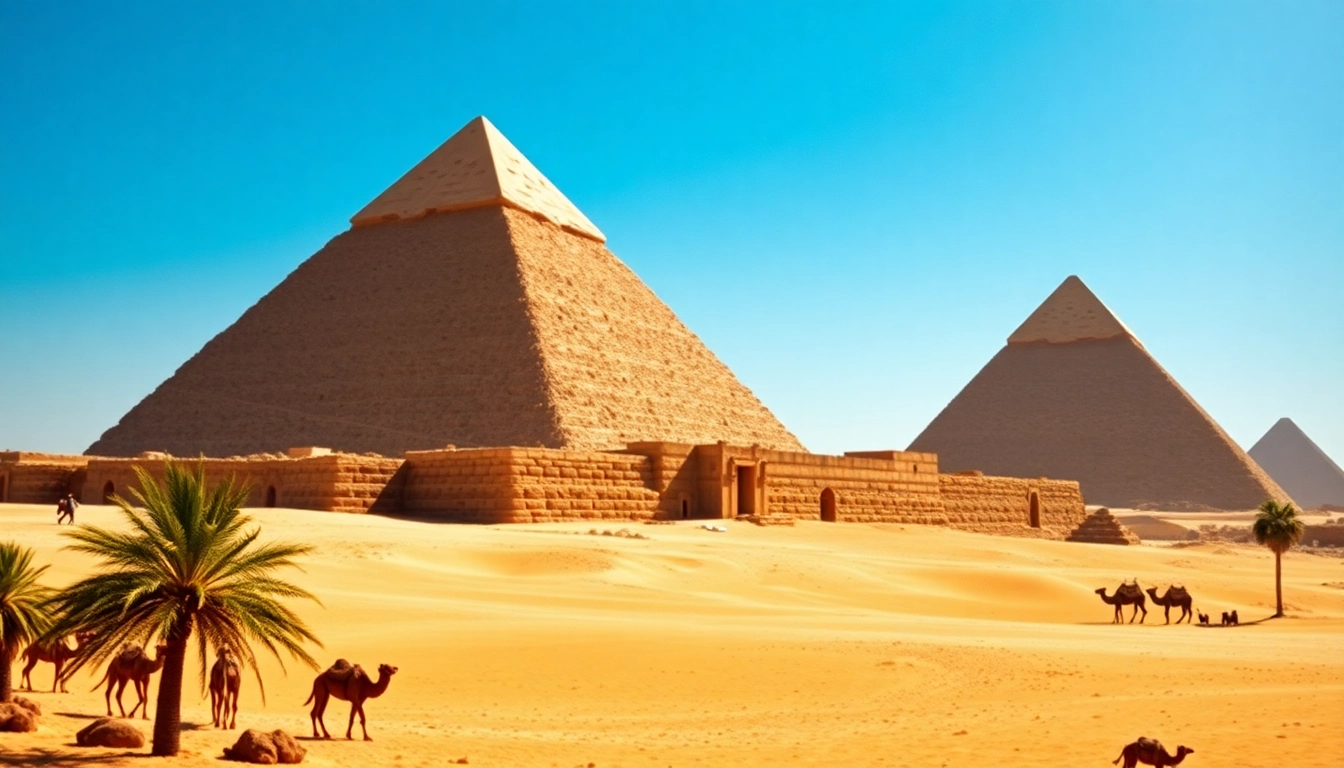
Introduction to the Pyramids
The pyramids, awe-inspiring structures of ancient civilization, have captured the imagination of historians, archaeologists, and tourists for centuries. Most famously associated with the Egyptian landscape, these monumental tombs were built to honor the pharaohs and serve as gateways to the afterlife. The piraminds are not just mere stones; they are testaments to human ingenuity, construction prowess, and cultural significance.
What are the Pyramids?
Pyramids are geometrically designed structures characterized by their four triangular sides meeting at a point at the top. These architectural marvels were predominantly constructed as royal tombs in ancient Egypt, particularly during the Old and Middle Kingdom periods. Designed to reflect the sun's rays, they symbolize the pharaoh's divine right to rule and their journey to the afterlife.
Historical Significance of Pyramids
The significance of the pyramids extends beyond their grandeur. They served as the focal point of ancient Egyptian religion, symbolizing resurrection and immortality. The construction of these massive edifices was an enormous undertaking, requiring thousands of skilled laborers, architects, and workers, each playing a vital role in bringing the vision of the afterlife to fruition. The pyramids stand as landmarks of the ancient Egyptians' advanced understanding of mathematics and astronomy.
Overview of Major Pyramids
Among the many pyramids scattered across Egypt, some of the most notable include:
- The Great Pyramid of Giza: The most famous and largest of the Giza pyramids, built for Pharaoh Khufu, it originally stood at 146.6 meters tall.
- The Pyramid of Khafre: Built for Khufu's son, Khafre, this pyramid is slightly smaller but appears taller due to its elevated location.
- The Pyramid of Menkaure: The smallest of the three Giza pyramids, this structure was built for Pharaoh Menkaure and stands at 65 meters.
- The Step Pyramid of Djoser: Located at Saqqara, this pyramid is considered the earliest colossal stone building in Egypt, marking the transition from mastabas to pyramids.
Architectural Features of Pyramids
Design and Construction Techniques
The design of the pyramids exemplifies advanced engineering techniques. Each pyramid was originally encased in highly polished Tura limestone, reflecting sunlight and making it shine like a jewel in the desert. The precise alignment of the pyramids with the cardinal points demonstrates the Egyptians' sophisticated grasp of astronomy. The construction employed labor divisions, precise measuring tools, and planning to ensure that each block was placed accurately.
Materials Used in Pyramids
Constructed primarily from limestone, granite, and basalt, the choice of materials was integral to the structural integrity of each pyramid. The core was often built from locally sourced limestone, while the outer casing—polished Tura limestone—was transported from quarries further afield, sometimes as far as 800 kilometers. Granite, utilized for inner chambers and passages, was quarried in Aswan and moved down the Nile River.
Innovative Features of Pyramids
Beyond their grandeur, pyramids housed innovative architectural features, including the Grand Gallery, the Queen's Chamber, and intricate systems of passageways. These designs were not merely for aesthetics but served spiritual purposes, allowing the pharaohs' souls to ascend toward the heavens. The use of corbel arches in construction also indicates an advanced understanding of architectural engineering, allowing for stability without the need for more modern supports.
Myths and Legends Surrounding Pyramids
Common Myths About Pyramids
The intrigue surrounding the pyramids has birthed an array of myths, many of which have no basis in archaeological evidence. Among the most prevalent is the belief that the pyramids were built by slaves. Recent discoveries indicate that they were constructed by a skilled workforce who were well-fed and housed nearby, dispelling myths of forced labor.
Folklore Associated with Pyramids
Pyramids have inspired countless tales throughout history. Some legends speak of hidden chambers filled with treasures and traps for tomb robbers. This folklore not only bolstered the myths surrounding these ancient structures but also spurred explorations and treasure hunts in the pursuit of ancient wealth.
Modern Interpretations and Theories
Modern theories regarding the pyramids' construction often include ideas about alien involvement or advanced ancient technologies, though these theories are widely dismissed by historians and archaeologists. Recent studies focus on understanding the logistics behind the construction, including labor organization, material transportation, and architectural planning, revealing more about ancient Egyptian society.
Exploring the Pyramids Today
Visiting the Pyramids: A Tourist's Guide
Visiting the pyramids of Giza is one of the most sought-after experiences for tourists worldwide. To maximize the experience, visitors should consider guided tours that provide historical context and insight. The best times to visit are early morning or late afternoon, allowing for cooler temperatures and beautiful sunlight that enhances the aesthetics of the pyramids.
Preservation Efforts for Pyramids
Preservation of the pyramids is vital to maintaining their heritage for future generations. Efforts include monitoring environmental impacts, controlling tourism to mitigate wear and tear, and ongoing archaeological research. International partnerships involving heritage organizations work to ensure that these ancient structures are protected and conserved adequately.
Impact of Tourism on Pyramids
While tourism brings significant revenue and awareness to the pyramids, it also poses challenges. Foot traffic can lead to erosion, and the influx of visitors necessitates sustainable management practices. Administrations are increasingly focused on balancing tourism with the conservation of the site, ensuring that the pyramids remain a marvel for future visitors.
FAQs about Pyramids
How were the pyramids built?
The pyramids were built using massive stone blocks. Laborers employed simple tools and techniques, often working collaboratively in teams to move stones from quarries and assemble them accurately.
What is the purpose of the pyramids?
Pyramids served primarily as tombs for pharaohs, designed to facilitate their passage to the afterlife and symbolize their divine right to rule.
How old are the Egyptian pyramids?
The oldest pyramids, including the Pyramid of Djoser, date back over 4,500 years, while the Great Pyramid of Giza was completed during the 4th dynasty.
Are there other pyramids outside Egypt?
Yes, pyramids are found in various regions, including the Nubian pyramids in Sudan and numerous Mesoamerican pyramids, which were built by civilizations such as the Maya and Aztecs.
Can you go inside the pyramids?
Some pyramids permit visitor access, though this can be limited for preservation reasons. Guided tours are recommended to explore the interior safely.